SpringVerify × Lever

Background checks start when a candidate reaches the stage you pick. The status and report link come back to Lever.
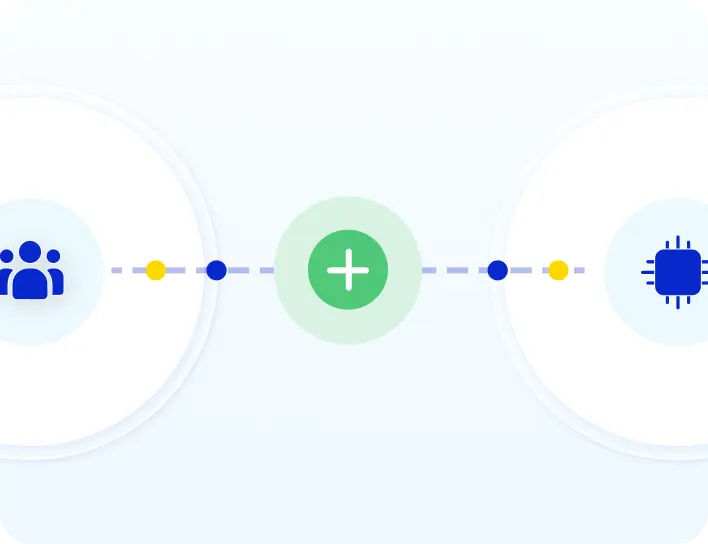
SpringVerify and Lever integration: candidate details flow from Lever to SpringVerify and the status returns to Lever

Brands you trust, trust us

How the Integration Works

Set it up once. After that, every candidate in your chosen stage flows through on its own.
1
Connect Lever
In the SpringVerify portal, open Integrations, choose Lever, click Connect, sign in to Lever and accept the permissions.
2
Pick a stage and map tags
Choose the Lever stage that starts a check, then match each Lever tag to a SpringVerify package.
3
Move a candidate to that stage
SpringVerify adds them automatically and sends the candidate a link to complete the form.
4
Results return to Lever
Your team sees a completed tag and a note with the status and a link to the full report.

What Moves Between Lever and SpringVerify

Verification starts for the stage and tags you choose, not for every candidate.
From Lever to SpringVerify
✓
Candidate name
✓
Email address, and a second one if there is one
✓
Phone number
✓
Resume
✓
The tag that picks the package
From SpringVerify to Lever
✓
A tag when verification starts
✓
A note with the package and a link to the candidate in SpringVerify
✓
A tag when it completes
✓
A note with the status and a link to the full report

Why Teams Pair Lever with SpringVerify

Hiring stays in Lever. Verification just happens.
Icon: starts at the right stage
Starts at the right stage
Checks begin when a candidate reaches the stage you choose, so nothing runs too early.
Icon: a Lever tag picks the package
Right package, no manual choice
A Lever tag decides the package, so each role gets the checks it needs.
Icon: clear when something is missing
Clear when something is missing
If a candidate has no mapped tag, or more than one, Lever shows a failed tag and a note with the reason.
Icon: no second tool to watch
No second tool to watch
Status and the report link sit on the candidate in Lever.

Choose What Starts a Check

Two settings in the SpringVerify portal control which candidates are verified.
A trigger stage
Pick the Lever stage that starts verification, for example Offer Accepted. Candidates who move into it are picked up automatically.
A package tag
Map each Lever tag to a SpringVerify package and variant. Candidates with no mapped tag are skipped and flagged in Lever. Tip: add the tag to the job posting so every applicant picks it up.

30+ Checks You Can Run From Lever

Pick the package that fits the role. Here are some of the checks you can include.

What Customers Say

Loved by HR teams. Trusted at scale.
HackerEarth logo
"Will recommend SpringVerify for authentic and faster background checks."
Portrait of Asmita P., Senior HR Generalist at HackerEarth
Asmita P.
Senior HR Generalist, HackerEarth
LoadShare Networks logo
"SpringVerify gave us the ability to actually see court case risks clearly. It has meaningfully reduced our BGV delays and given our HR team the visibility to move faster with confidence."
Portrait of Ritika Raj, Senior Manager I, HR Shared Services at LoadShare Networks
Ritika Raj
Senior Manager I - HR Shared Services, LoadShare Networks
Kotak Mahindra Asset Management logo
"We've been using SpringVerify since March 2025 and the experience has been smooth so far. What we appreciate most is how proactive and solution oriented they are."
Portrait of Govindprasad Goankar, Executive VP and HR Head at Kotak Mahindra Asset Management
Govindprasad Goankar
Executive VP & HR Head, Kotak Mahindra Asset Management
See It Working With Your Lever Account
Walk through the Lever and SpringVerify integration end to end.
Schedule a Demo

Lever Integration: Frequently Asked Questions

What does the SpringVerify and Lever integration do?

It starts background checks automatically from Lever. When a candidate reaches the stage you choose, SpringVerify adds them, sends the verification form, runs the checks, and records the status and report link back in Lever.

How do I connect Lever to SpringVerify?

In the SpringVerify portal, open Integrations, choose the Lever card and click Connect. Sign in to Lever and accept the permissions. Then pick your trigger stage and map your Lever tags to packages.

When does a background check start?

When a candidate moves into the Lever stage you picked in the SpringVerify portal. SpringVerify checks Lever for new candidates in that stage every few minutes.

How does SpringVerify choose the right package?

You map Lever tags to SpringVerify packages and variants. A candidate's tag decides the package. Adding the tag to the job posting means every applicant picks it up.

What happens if a candidate has no tag, or more than one?

They are not added to SpringVerify. Lever gets a "SVIN: BGV Initiation Failed" tag and a note with the reason, and a failure notification is sent from SpringVerify.

What candidate data is shared with SpringVerify?

Name, email address (and a second one if there is one), phone number, resume and the package your tag maps to.

Where do I see the results in Lever?

When verification starts, the candidate gets a "SVIN: BGV Initiated" tag and a note with the package and a link to the candidate in SpringVerify. When it completes, the tag changes to "SVIN: BGV Completed" and a note shows the status and a link to the full report.

Is candidate data secure?

SpringVerify is certified with SOC 2 Type II and ISO 27001, and aligned with India's Digital Personal Data Protection Act. Data is encrypted end to end.

Ready to Go Live with Lever?
See the Lever and SpringVerify integration end to end.
Schedule a Demo