

Table of Contents
The Evolution of Modern Recruitment Through ATS
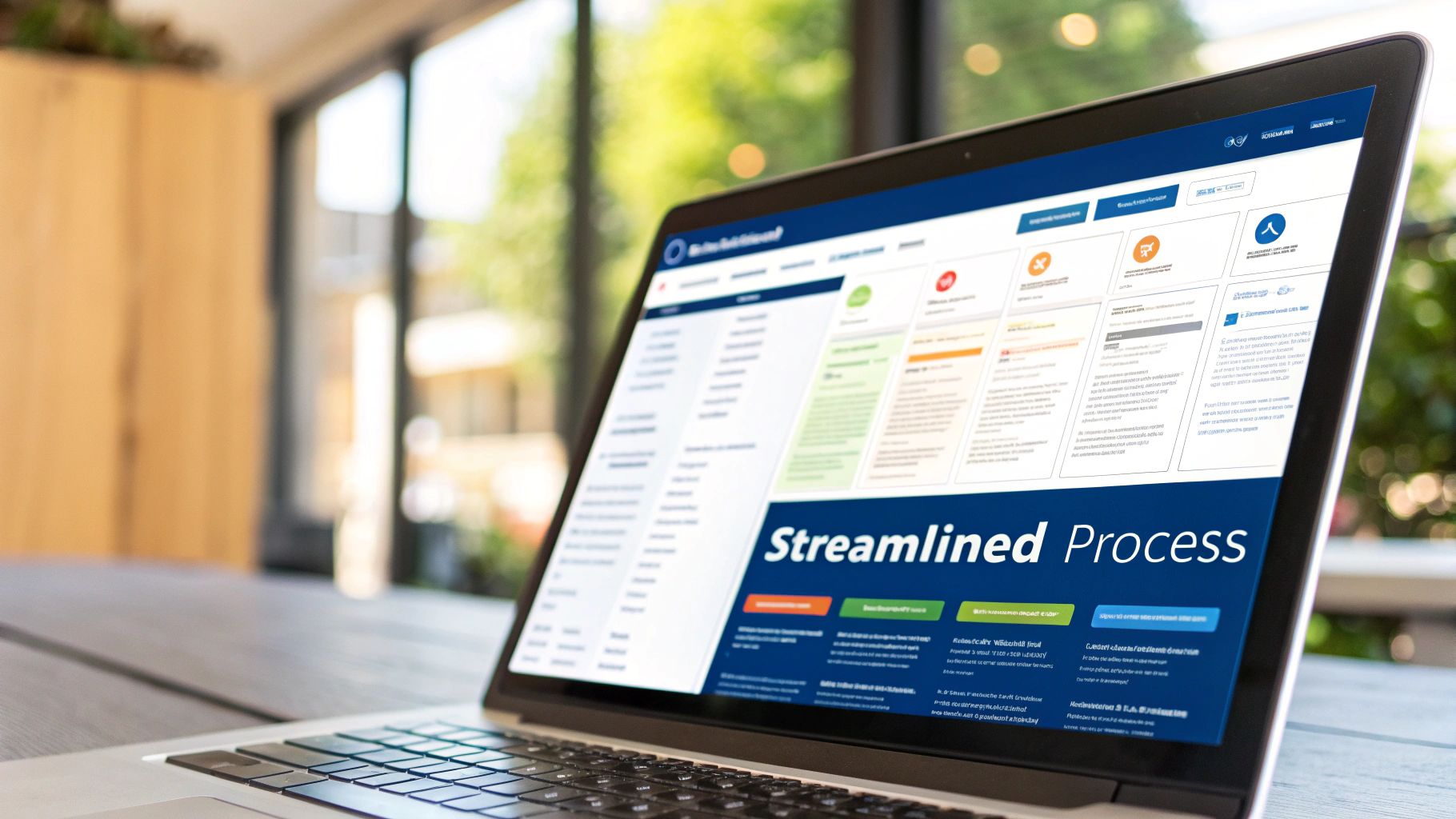
The hiring landscape has changed dramatically in recent years. Manual resume reviews and gut-based decisions have given way to data-driven processes powered by Applicant Tracking Systems (ATS). These systems now do much more than store resumes – they serve as comprehensive platforms that manage the entire hiring journey.
Modern ATS solutions help recruiters work smarter, not harder. They automatically post jobs across multiple sites, screen applications using customizable criteria, and handle interview scheduling. This automation lets hiring teams spend more time building relationships with candidates and assessing cultural fit. The systems also connect seamlessly with other HR tools to create a unified workflow.
The numbers show just how essential ATS has become: 75% of recruiters now use these systems in their hiring process. This high adoption rate highlights how valuable ATS is for improving recruitment efficiency and candidate management. According to recent ATS statistics, companies without an ATS platform face major disadvantages in attracting and securing top talent.
Key Advantages of ATS Integration
An integrated ATS delivers several concrete benefits for companies:
- Faster Hiring: Automated tasks and centralized candidate data significantly reduce time-to-fill for open roles
- Better Candidate Experience: Integrated communication tools enable personalized, timely updates throughout the process
- Smart Decision Making: Built-in analytics provide key recruitment metrics to help teams optimize their strategies
- Cost Savings: Streamlined workflows and automation reduce administrative overhead
The Future of ATS: Beyond Automation
ATS platforms are evolving beyond basic automation to offer smarter capabilities. New AI-powered features can automatically evaluate candidates based on skills and experience, and even predict how successful they might be in a role. These advances make ATS integration essential for any company serious about building a strong talent pipeline. The technology continues to improve, giving organizations powerful new ways to identify and attract qualified candidates.
Growth and Impact of ATS Implementation
Background screening and hiring are changing fast, and applicant tracking systems (ATS) have become essential tools for modern recruitment. Companies of all sizes are adopting these systems to improve how they find and evaluate talent. This shift reflects a real business need – organizations want smarter, data-driven ways to identify great candidates.
The Rise of ATS Solutions
Companies are moving to ATS platforms for several key reasons. First, they want to give candidates a better application experience with clear communication and updates throughout the process. Second, ATS tools provide valuable hiring data that helps teams measure metrics like time-to-hire and cost-per-hire. Learn more about optimizing your hiring process in our guide on talent acquisition strategies.
The market numbers show strong momentum for ATS adoption. Industry research predicts the global ATS market will grow from $2,560.3 million in 2023 to $4,866.5 million by 2033, at a 6.6% annual growth rate. This growth shows how many companies now see ATS as a must-have tool. Read the full market analysis here.
Important Factors When Choosing an ATS
Selecting the right ATS requires careful evaluation of your organization’s specific needs. Key factors include:
- Your company size and expected hiring volume
- Industry-specific requirements and compliance needs
- Current recruitment challenges and bottlenecks
- Integration with existing HR systems
Want to implement ATS effectively? Check out our guide on mastering ATS integration.
Making the Right ATS Choice
Choosing an ATS is a significant decision that impacts your entire hiring process. Take time to:
- Compare features, pricing, and support options from different vendors
- Plan the implementation timeline and training needs
- Get buy-in from key stakeholders early
- Set clear success metrics to track results
With good planning and the right system in place, an ATS can help your team hire better candidates more efficiently. Focus on finding a solution that fits your specific needs rather than just following market trends.
Harnessing AI Power in Your ATS Strategy
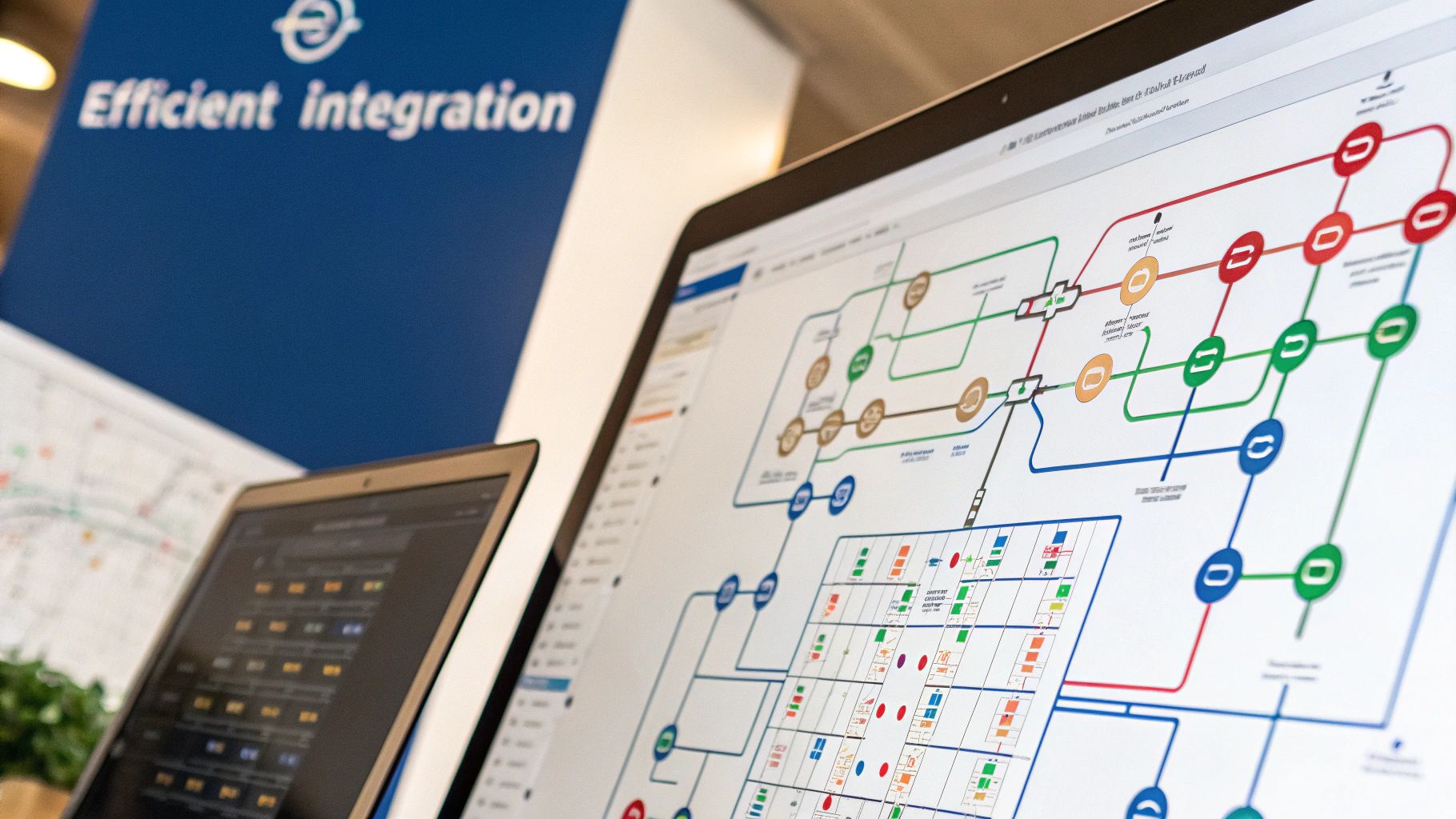
Modern applicant tracking systems (ATS) are moving beyond basic automation into advanced intelligence. AI tools now analyze resumes with unprecedented precision, matching candidates to roles based on detailed skills and experience analysis. This enables recruiters to identify top talent faster while maintaining high quality standards.
Recent data shows that 88% of companies now use AI in their hiring processes, demonstrating its essential role in modern recruitment. Learn more about the latest ATS trends in this comprehensive industry report. AI systems help create fairer hiring practices by focusing on measurable criteria rather than subjective impressions.
Let’s examine how different AI features enhance modern ATS solutions:
| AI Feature | Benefits | Implementation Complexity | ROI Impact |
|---|---|---|---|
| Resume Analysis | Faster screening, better matching | Medium | High |
| Candidate Scoring | Objective evaluation, reduced bias | Low | Medium |
| Automated Scheduling | Time savings, improved efficiency | Low | Medium |
| Skills Assessment | Better quality of hire | High | High |
| Chatbot Interaction | Enhanced candidate experience | Medium | Medium |
AI-Driven Candidate Matching: A Game Changer
AI-powered matching represents a major advancement in recruitment technology. Unlike traditional keyword matching, AI systems analyze the full context of resumes and job descriptions. They identify valuable connections that human reviewers might overlook, such as transferable skills from different industries or unique combinations of experiences that could benefit the role.
Reducing Bias for a More Equitable Hiring Process
AI helps create more equitable hiring by minimizing human bias. While people may unconsciously favor certain backgrounds or experiences, AI systems evaluate candidates based purely on relevant qualifications and skills. This data-driven approach helps build diverse teams based on merit and capability.
The Future of AI in Applicant Tracking System Integration
AI will continue reshaping how organizations find and evaluate talent. New tools are emerging to:
- Predict candidate success in roles
- Automate reference verification
- Conduct initial video screenings
- Analyze cultural fit factors
Companies that adopt these AI capabilities gain significant advantages in identifying and securing top talent. The technology has moved beyond novelty to become a core component of effective recruiting strategies.
Building Your ATS Integration Roadmap
Getting a new Applicant Tracking System up and running requires careful planning and execution. Let’s walk through how to break this complex project into clear, achievable steps that set your team up for success.
Before we dive into specific steps, here’s a comprehensive roadmap to guide your ATS integration:
| Integration Phase | Key Tasks | Success Metrics | Timeline |
|---|---|---|---|
| Planning | Define goals, assess current systems, identify stakeholders | Goals documented, systems mapped, team aligned | 2-4 weeks |
| Data Migration | Clean data, map fields, test imports | Data accuracy rate, successful test migrations | 4-6 weeks |
| System Integration | Connect core systems, configure workflows, test connections | Integration uptime, data flow accuracy | 6-8 weeks |
| Training & Launch | Train users, document processes, go live | User adoption rate, system utilization | 4-6 weeks |
Setting Clear Integration Goals
Start by identifying exactly what you want to achieve with your new ATS. Are you focused on reducing hiring time? Improving candidate communication? Getting better recruitment analytics? Your goals will guide key decisions throughout the implementation.
Planning Your Data Migration
Moving your existing candidate and job data requires careful preparation. Start by:
- Auditing current data quality
- Cleaning up outdated or duplicate records
- Mapping data fields between systems
- Testing sample data transfers
For detailed guidance on data migration, check out How to master API Integrations.
Connecting Your HR Systems
Your ATS needs to work smoothly with other key HR tools like your:
- HRIS platform
- Background check system
- Onboarding software
- Assessment tools
Test each integration thoroughly to ensure data flows correctly between systems.
Driving Team Adoption
The best system won’t help if your team doesn’t use it. Create a solid training program covering:
- Basic navigation and daily tasks
- Advanced features and reporting
- Best practices and tips
- Common troubleshooting
Managing the Change Process
Keep your team informed and engaged throughout implementation by:
- Sharing regular progress updates
- Addressing concerns promptly
- Highlighting early wins and successes
- Gathering feedback for improvements
Measuring Success and Optimizing
Track key metrics like:
- Time-to-hire
- Cost-per-hire
- Candidate satisfaction scores
- User adoption rates
Review these regularly to identify what’s working well and what needs adjustment. Use the data to continually refine your processes and get more value from your ATS investment.
Measuring Your ATS Integration Success

Getting real value from your Applicant Tracking System (ATS) requires more than just installing the software. You need to carefully track how well it’s working and look for ways to improve. Smart measurement helps prove the system’s worth and shows where you can make it even better.
Key Metrics for ATS Integration Success
Here are the main numbers you should watch to see if your ATS is delivering results:
- Time-to-Hire: How many days pass between posting a job and getting an acceptance? A good ATS should help you fill positions faster.
- Cost-per-Hire: What’s the total expense for finding and hiring someone? This includes job ads, recruiter fees, and onboarding. An effective ATS helps reduce these costs.
- Candidate Experience: Are job seekers happy with your hiring process? When candidates find your ATS easy to use, it makes your company look better.
- Offer Acceptance Rate: What percentage of candidates say yes to your job offers? Higher numbers usually mean you’re attracting the right people.
- System Usage Rate: How often does your team actually use the ATS features? Good usage shows the system is becoming part of daily work.
Establishing Benchmarks and Tracking Progress
Start by recording your numbers before you set up the ATS. This gives you a clear starting point to measure improvements. For example, if hiring used to take 60 days, you might aim to get it down to 45 or 30 days with your new system.
Turning Data into Actionable Insights
Just collecting numbers isn’t enough – you need to understand what they mean. If few candidates accept your offers, ask why. Maybe they need more job details, or your application process is too complex. These insights help you fine-tune everything and get more from your ATS investment. Make sure you follow the rules too. Learn more about: How to master compliance in hiring.
Continuous Improvement and Optimization
Setting up your ATS is just the beginning. Keep checking your metrics, find what needs work, and adjust your processes. This ongoing effort helps you get the most value and keeps improving how you hire. Regular updates and changes help you stay competitive when looking for great candidates.
Preparing for Tomorrow’s ATS Landscape

Modern recruitment and Applicant Tracking Systems (ATS) continue to grow in capability and complexity. Companies looking to maintain a competitive edge need to understand what’s coming next in ATS technology and prepare their teams accordingly. This means taking a strategic approach to system updates and data management.
What’s Next for ATS Integration
Here are the key developments shaping the future of ATS platforms:
- Smarter AI Tools: ATS platforms are adding more advanced AI features to handle tasks like resume screening and scheduling, giving recruiters more time for human interactions
- Better Candidate Journeys: Top ATS providers now emphasize creating smooth, engaging experiences from application through onboarding
- Deeper Data Insights: Modern ATS platforms provide detailed analytics dashboards so recruiters can track metrics and optimize their hiring process
- Mobile-First Design: With most job seekers using phones to apply, ATS platforms are building mobile-friendly interfaces and simplified application flows
Getting Ready for Change
The ATS field can shift quickly as new tools emerge. Here’s how organizations can prepare:
- Choose Flexible Systems: Pick an ATS that easily connects with other tools and accepts regular updates to stay current
- Plan for Growth: Make sure your ATS can handle increased data and users as your company expands
- Keep Skills Current: Schedule regular ATS training for your team to maximize the system’s benefits
Making Smart ATS Investments
Leading companies are taking these steps to future-proof their ATS:
- Testing New Tools: They evaluate emerging features like AI chatbots and video assessments
- Building Provider Relationships: They maintain open communication with ATS vendors about upcoming changes
- Using Data Effectively: They analyze ATS metrics to guide hiring decisions and predict future needs
Companies that understand these developments and adapt their ATS approach will be better positioned to attract and hire great talent in the years ahead.
Need a reliable background check solution that works smoothly with your ATS? SpringVerify offers thorough background screening, automated workflows, and secure data handling to help you make confident hiring decisions.


