

To make sure a bank account verification in India goes through without a hitch, you need to confirm that the account holder’s name is a perfect match for the account number and IFSC code provided. This simple check is your first move in preventing payment failures, cutting down on fraud, and staying on the right side of regulations. It’s really the foundation of a secure and dependable payment system for any business.
Table of Contents
Why Instant Bank Account Verification Matters
In India’s digital-first economy, being able to verify a bank account instantly isn’t just a nice-to-have feature; it’s a core operational need. If your business handles vendor payouts, customer refunds, or salary payments, getting those account details right from the start is the difference between a seamless transaction and a costly mess.
Failed payments are a real headache. Each bounced transaction comes with bank charges, eats up your finance team’s time tracking down the issue, and leaves the person waiting for their money with a bad taste in their mouth. Just picture a gig worker expecting their pay, only to have it held up because of a single typo in their account number. It chips away at trust and can seriously tarnish your reputation.
Slashing Operational Costs and Fraud
Doing this stuff manually? It’s slow, full of potential for human error, and surprisingly expensive. Automating the verification process gets rid of these problems instantly. Your team is then free to work on things that actually grow the business, instead of playing detective with incorrect bank details. The impact on your bottom line is immediate—fewer failed transaction fees and lower manual labour costs.
But it’s not just about efficiency. Solid verification is your frontline defence against fraud. By confirming an account truly belongs to the person you intend to pay, you help shut down identity theft and stop funds from being sent to the wrong hands. It’s a proactive step that secures your finances and protects your customers.
A secure onboarding process builds a foundation of trust. When customers see that you take financial security seriously from the very first interaction, it reinforces their confidence in your platform and services.
Navigating the Regulatory Landscape
When it comes to compliance, there’s no room for error. Bank account verification in India is a serious business, governed mainly by the Reserve Bank of India (RBI) through rules like the Prevention of Money Laundering Act (PMLA) and Know Your Customer (KYC) norms. These regulations require businesses to validate customer details—name, account number, and IFSC code—before any money changes hands.
You can learn more about the details of KYC and PMLA compliance in our in-depth guide.
Choosing the Right Verification Method
Picking the right way to verify a bank account isn’t a one-size-fits-all situation. Your choice really boils down to your specific needs, where you’re constantly balancing speed against certainty and user experience against cost. For businesses that need confirmation on the spot, real-time API verification is almost always the best way to go.
On the other hand, there’s the traditional “penny drop” method. This involves depositing a tiny amount into the account to confirm it’s valid. While it’s incredibly accurate, the process can take hours or even a couple of business days, which is a deal-breaker for any company with a fast-paced onboarding flow. Then you have manual document verification, which is the slowest and most labour-intensive option, usually kept for specific high-risk scenarios or as a last resort.
So, why do we even need to go through all this trouble? The reasons are more fundamental than you might think.
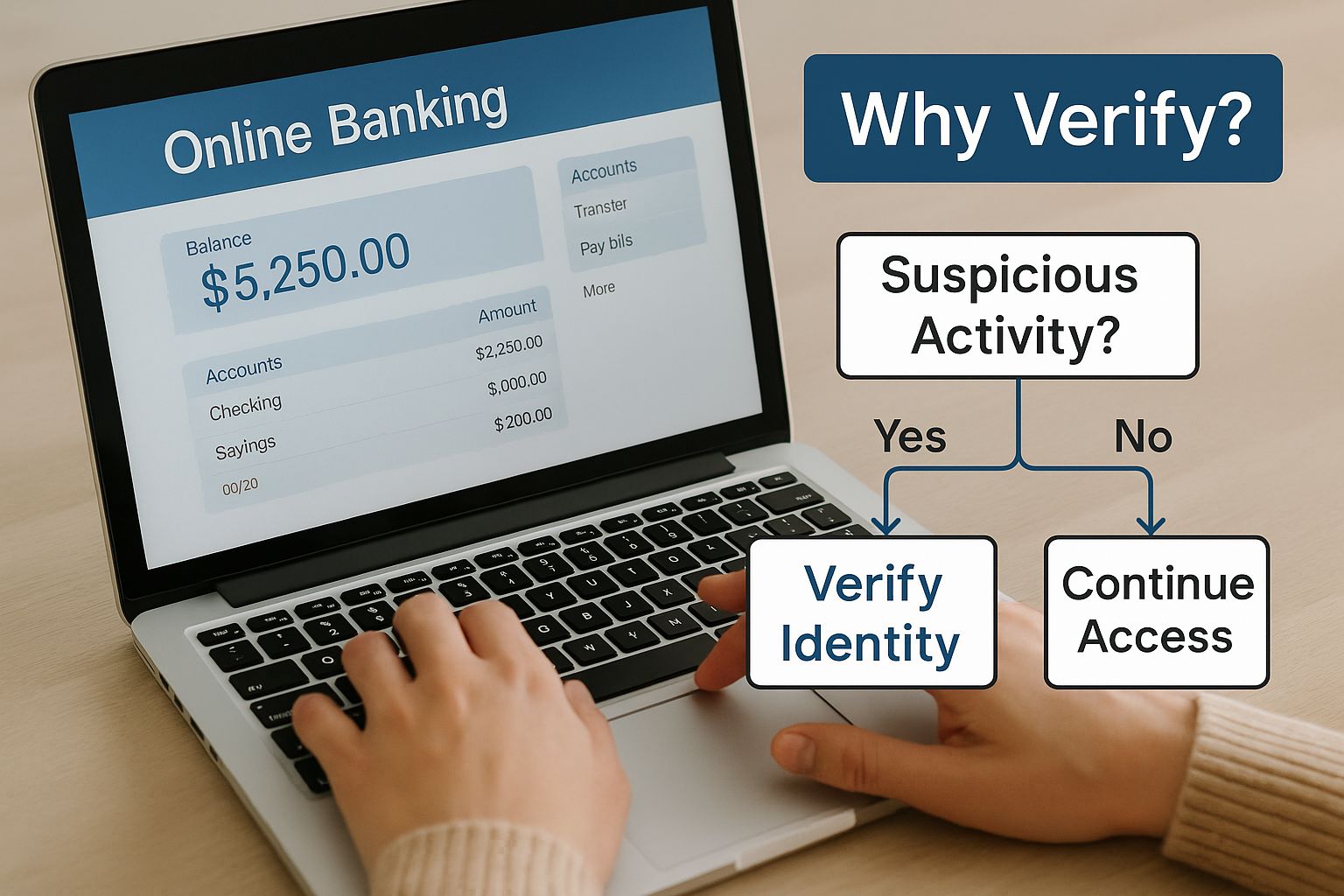
As you can see, verification is the bedrock of securing transactions and stopping fraud before it happens. This simple fact should guide which method you ultimately choose.
Comparing Bank Account Verification Methods
To make things clearer, let’s break down the most common methods used in India. Each has its place, and seeing them side-by-side can help you figure out what makes the most sense for your business operations.
| Method | Verification Speed | User Experience | Typical Use Case |
|---|---|---|---|
| API Verification | Instant (seconds) | Seamless and smooth; no user action needed. | Fintech apps, e-commerce platforms, gig economy onboarding. |
| Penny Drop | Slow (24-48 hours) | Requires user to wait and check their bank account. | B2B payments, high-value vendor payouts, investment platforms. |
| Manual Document Upload | Very Slow (days) | Cumbersome; requires user to find and upload documents. | High-risk transactions, loan applications, fallback for other methods. |
| Account Aggregator | Near-instant | Secure and consent-based, but requires user adoption. | Lending, wealth management, personal finance apps. |
Ultimately, the best choice aligns with your business’s risk appetite and the experience you want to offer your customers.
Finding Your Fit
For most digital platforms today, especially within the fintech world, the user experience is everything. A clunky or slow verification process is a sure-fire way to see high drop-off rates. An instant API call, however, keeps the momentum going. It gives immediate feedback and lets the user move forward without any frustrating delays.
Sometimes, your workflow might require you to analyse financial documents. If that’s the case, you can make life easier for your team by using a dedicated bank statement converter tool to standardise the files you receive.
The bottom line is this: the best method is one that fits your business model and risk tolerance. A high-volume e-commerce site will naturally prioritise speed, while a B2B service making large payouts might prefer the absolute certainty of a slower, more thorough method. Take a good look at your transaction patterns—they’ll point you in the right direction.
How to Integrate a Bank Verification API
Right, let’s get down to the brass tacks. Diving into a bank verification API integration is where the theory becomes practice, and thankfully, it’s a pretty straightforward process. It all starts with getting your unique credentials and ends with a clear, actionable response that you can build your business logic around.

This screenshot gives you a glimpse of a typical API provider’s dashboard. Think of it as your command centre—this is where you’ll find your keys and keep an eye on usage. The very first thing you need to do is secure your API keys from your provider’s dashboard. Without them, you can’t authenticate your requests.
Setting Up Your Environment
Once you’ve got your keys, it’s time to prep your development environment. Most API providers, SpringVerify included, will give you detailed documentation and SDKs (Software Development Kits) for popular languages like Python, Java, or JavaScript. I can’t stress this enough—using these kits will make your life a whole lot easier.
Your initial setup usually involves a couple of key tasks:
- Installing the SDK: You’ll use a package manager like npm or pip to pull the provider’s library into your project. Simple as that.
- Storing API Keys Securely: Whatever you do, never hard-code your API keys directly into your application. Use environment variables instead. It keeps them safe, secure, and much easier to manage.
Getting this foundational work right ensures your application can talk securely and efficiently with the verification service. For a closer look at how these integrations play out in the real world, check out our detailed guide on https://in.springverify.com/api-integrations/ for some valuable context.
Constructing the API Request
With your environment ready to go, you can move on to the core of the functionality: building the API request to verify a bank account. This usually means making a POST request to a specific endpoint, which you’ll find in the documentation.
The body of your request will hold the data you’ve gathered from your user, typically formatted as a JSON object. For the Indian banking system, the two most critical pieces of information are the account number and the IFSC code. A standard request payload might look something like this:
{ "account_number": "123456789012", "ifsc": "SBIN0001234" }
Sending this payload to the correct API endpoint kicks off the verification process on the backend. If you’re looking for a hands-on example, you might find guides detailing the process of integrating Plaid into a Rails application useful.
Key Takeaway: The success of your integration rides on sending accurate, well-formatted data. My advice? Always validate user inputs for correct length and format before you even think about making the API call. It’ll save you a ton of headaches from unnecessary errors and failed requests.
Parsing the Response
After you’ve sent the request, the API will send back a JSON response. A successful one will confirm the account is valid and, most importantly, return the beneficiary name as it’s registered with the bank. This is the golden ticket—it lets you cross-reference the name with what your user provided, closing the verification loop.
On the flip side, a failure response will include an error code and a message explaining what went wrong—maybe an invalid IFSC code or a non-existent account number. Your application logic needs to be robust enough to handle both outcomes gracefully.
Common Integration Pitfalls to Avoid
Making an API call is just the first step. The real challenge is building a truly resilient integration to verify bank account details. I’ve seen many developers stumble over issues that aren’t always in the documentation, which often leads to fragile systems that crack under real-world pressure.
One of the most common oversights is how specific error types are handled. For instance, an invalid IFSC code should trigger a different action for the user compared to a temporary server timeout from the bank. If your system lumps all errors together, you risk blocking a valid user for good because of a temporary network glitch.
Another frequent mistake is forgetting to build in fallback mechanisms. What happens if a partner bank’s server is down? A solid integration needs retry logic, maybe with an exponential backoff, or at least a clear message telling the user to try again later. Without this, your entire verification flow has a single point of failure.
Securing Your Integration
Beyond just getting it to work, security has to be your top priority. It’s a critical error to neglect the proper security of your sensitive API keys. Hard-coding keys into your application’s frontend or, even worse, committing them to a public repository is like leaving the front door wide open. Always use environment variables or a secure vault service to manage your credentials.
Protecting your integration isn’t just a technical checkbox; it’s a fundamental business responsibility. A single security lapse can compromise user data, destroy trust, and lead to massive financial and reputational damage.
This is more important than ever, especially with the rise in fraudulent activities. In the first half of the 2023-2024 fiscal year, India’s banking sector saw 14,483 reported fraud cases. While the total financial impact was lower than the previous year, this number highlights the constant threat. It really drives home the need for strong, secure verification processes. You can dig deeper into these fraud mitigation trends in official government reports.
Designing a Seamless Verification Experience

A truly successful integration feels almost invisible to your user. When you need to verify bank account details, the goal is to weave it into your onboarding or payment flow naturally. It should feel like a reassuring step, not a frustrating hurdle. The user experience (UX) here is everything.
Poorly designed forms are a classic source of friction. Simple mistakes, like a typo in an account number or IFSC code, can lead to failed verifications and a pretty annoyed user. You can get ahead of many of these issues with a few smart design choices.
For instance, you could implement input masks that automatically format the IFSC code as the user types. Another great touch is providing clear, real-time validation feedback, like a little green checkmark appearing next to a correctly formatted field. It’s about preventing errors from happening in the first place, not just catching them after the fact.
Communicating Clearly and Building Trust
Explaining why you need to verify their bank account is critical for building trust. Users are far more willing to share information when they understand it’s for their own security and benefit.
A simple, friendly message can completely change the tone:
- Instead of: “Enter Bank Details”
- Try this: “We need to confirm your bank account to ensure your payments reach you safely.”
This small tweak shifts the tone from demanding to protective. Transparency is your best friend here.
The best verification experience is one the user barely notices. It should feel like a quick, logical step that confirms their details are secure, turning a potential friction point into a signal of your platform’s professionalism.
Handling Verification Failures Gracefully
Even with the slickest design, failures will happen. How you handle them determines whether a user tries again or just gives up and leaves your platform. A generic error message like “Verification Failed” is completely useless.
You have to provide specific, actionable feedback. If the IFSC code is invalid, tell them. If the name doesn’t match what’s on file, explain that the name on the bank account must match their profile name. This empowers the user to fix the problem themselves, keeping them engaged and moving forward in the process.
Got Questions? We’ve Got Answers
When you’re deep in the weeds of an integration, questions about bank account verification are bound to pop up. It’s a critical part of any onboarding flow, and getting it right matters. Here are some of the most common queries we get from developers and businesses, answered in plain English.
How Long Does This Actually Take?
The time it takes to verify bank account details in India really boils down to the method you’re using. There’s a world of difference between them.
- API-based verification is the speed demon of the bunch. We’re talking practically instant results, often in just a few seconds. It’s perfect for keeping your user onboarding process zippy.
- The old-school ‘penny drop’ method is a different story. Since it relies on a small deposit showing up in the user’s account, you could be waiting anywhere from a few hours to a couple of business days.
- Manual verification, where someone has to physically check uploaded documents, is the slowest. This can easily stretch into several days.
Is Using a Third-Party API Even Legal?
This question comes up a lot, and the short answer is yes. Using a third-party API for bank verification is not only legal but has become a standard industry practice across India.
But there’s a big caveat here: the API provider absolutely must be compliant with all Reserve Bank of India (RBI) guidelines and data privacy laws. Trustworthy providers are obsessed with security protocols to ensure sensitive financial data is handled correctly. Before you commit to any service, do your homework and check their compliance and security credentials.
Choosing a compliant API isn’t just about buying technology. You’re partnering with a service that lives and breathes India’s regulatory framework, which is crucial for protecting your business and your customers.
Just How Accurate Is API Verification?
You might be wondering about reliability. Top-tier bank verification APIs in India consistently hit accuracy rates north of 99%. That’s not just a marketing number; it’s a result of their direct pipeline into core banking networks like the National Payments Corporation of India (NPCI).
This direct connection allows the API to validate the account holder’s name against the account number and IFSC code in real-time. The rare inaccuracies that do crop up are almost always due to a user entering incorrect details or, on occasion, a temporary blip with a bank’s server.
What if a Bank’s Server Goes Down?
Ah, the dreaded server downtime. It’s a real-world scenario that your integration needs to be ready for. It’s a classic mistake to treat a server timeout or an ‘unable to verify’ response as a definitive ‘invalid account’. That’s a recipe for frustrated users.
The smart move is to build a retry mechanism into your code, maybe with an exponential backoff. At the very least, you should prompt the user to try again in a few minutes. This prevents your system from locking out a perfectly valid customer just because of a temporary network issue on the bank’s end.
The scale of verification in India is staggering. In a single month, as part of a national financial inclusion drive, around 6.65 lakh new bank accounts were opened and over 10 lakh accounts went through KYC re-verification. This sheer volume is exactly why building resilient systems is non-negotiable. You can read more about India’s massive verification efforts and how they’re shaping financial security.
Ready to build an onboarding flow that’s secure, smooth, and fully compliant? With SpringVerify, you can instantly verify bank accounts using our powerful API, slashing fraud and putting an end to payment failures.


