

Navigating India’s job market often feels like a paradox. On one hand, the economy is buzzing with opportunity. On the other, finding genuinely skilled people remains one of the biggest talent acquisition challenges companies face. This disconnect isn’t just a minor headache; it points to deeper issues, from glaring skills gaps to fierce competition for top performers.
Table of Contents
Understanding India’s Modern Hiring Landscape
Recruiting in India presents a unique, and often tough, set of hurdles. We have a massive population and an enormous workforce, yet companies constantly tell us they struggle to fill critical roles. This isn’t just an inconvenience—it’s a strategic bottleneck that can seriously slow down growth, stifle innovation, and drain company resources.
This contradiction—a seemingly bottomless talent pool but a real shortage of qualified candidates—is the central problem. The reasons for it are complex and tangled, creating a tricky web for HR and hiring managers to work through.
Key Hurdles in the Hiring Process
To build a hiring strategy that actually works, you first need to understand the core problems that keep cropping up. Time and again, we see the same challenges emerge:
- The Widening Skills Gap: The skills needed for modern jobs, especially in tech and digital roles, are evolving much faster than traditional education can keep up. This leaves a huge gap between the jobs available and people with the right qualifications to fill them.
- Intense Competition: Truly top-tier talent is a rare find. Everyone, from local startups to massive multinational corporations, is vying for the same small group of highly skilled individuals. This naturally drives up salaries and candidate expectations.
- Evolving Candidate Expectations: Today’s professionals are looking for more than just a paycheque. They want a healthy work-life balance, a positive company culture, real opportunities for career growth, and a hiring process that is smooth and respectful.
The infographic below really puts some numbers to the impact these challenges have on businesses.
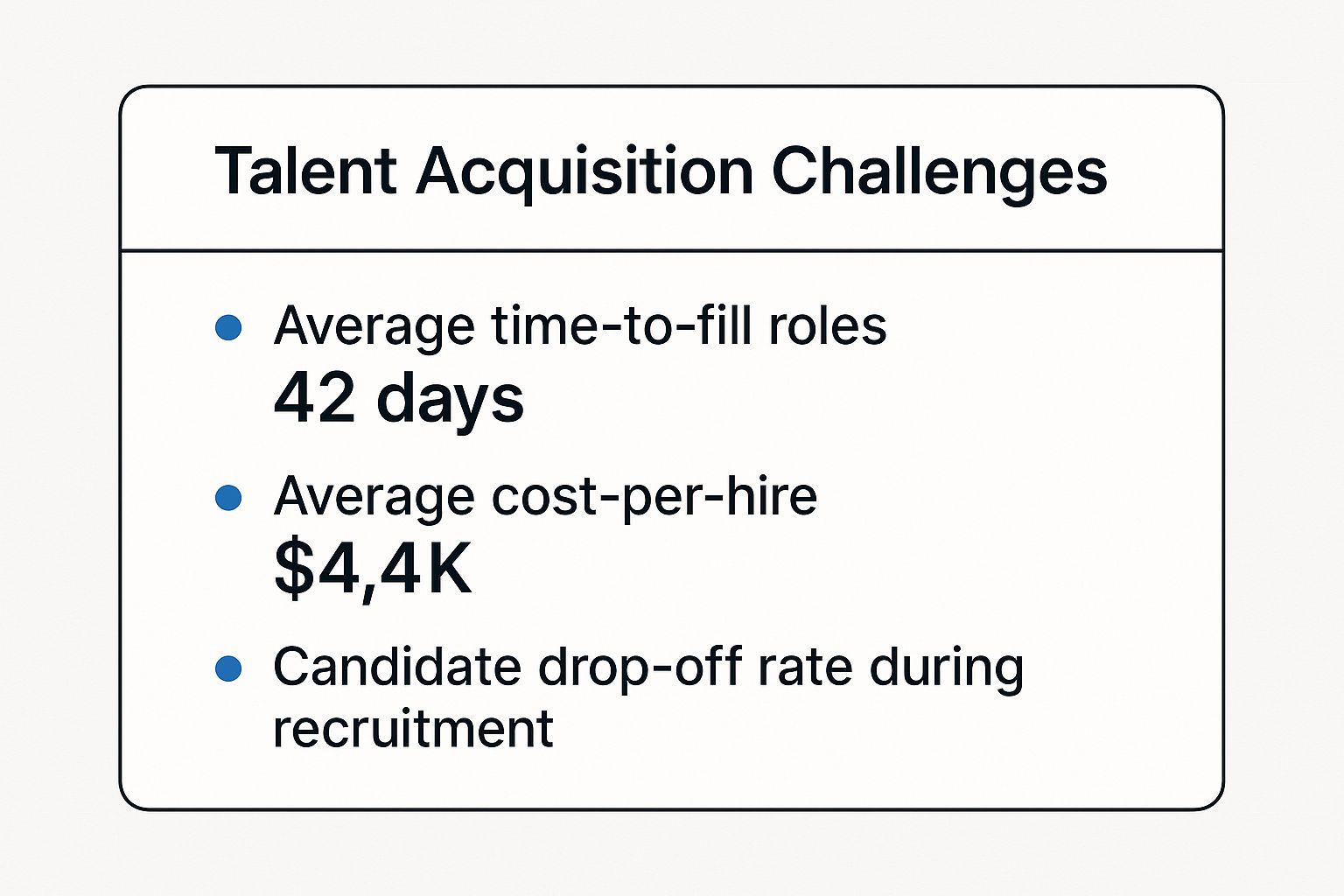
As you can see, inefficient hiring is incredibly costly in both time and money. It’s also clear that a huge number of candidates simply lose interest and drop out when the process drags on.
To better grasp the landscape, here’s a quick summary of the main obstacles recruiters in India are up against.
A Quick Look at India’s Top Talent Acquisition Hurdles
| Challenge | Primary Impact on Business |
|---|---|
| Skills Gap | Difficulty filling technical and specialised roles, leading to project delays and reduced innovation. |
| Fierce Competition | Increased hiring costs, higher salary demands, and a constant battle to retain top employees. |
| High Candidate Expectations | Negative employer brand perception and loss of top talent due to poor hiring experiences. |
| Prolonged Hiring Cycles | High candidate drop-off rates, wasted resources, and missed opportunities to hire the best person. |
These issues create a perfect storm, making a proactive and well-thought-out hiring strategy more important than ever.
The Scale of the Talent Shortage
The struggle to find the right people isn’t just something you hear about; it’s a widespread, documented problem. The latest data reveals that talent shortages have become a persistent issue across the country.
As of early 2025, a staggering 80% of organisations in India are finding it difficult to hire the right talent. This figure has been climbing steadily since 2022 and is significantly higher than the global average of 74%. The problem is especially severe in high-demand sectors like IT and Energy.
This statistic is a wake-up call. It highlights just how urgent it is for businesses to rethink and refine their hiring methods. Simply posting a job and hoping the right applicants will find you is a recipe for failure.
Success now demands a proactive, strategic approach. For a much deeper dive into building one, check out our complete guide on talent acquisition. By getting to grips with these foundational challenges, you can start building a recruitment framework that is far more resilient and effective.
Solving the Widening Skills Gap Puzzle

One of the most stubborn challenges in talent acquisition today isn’t a shortage of people. It’s a mismatch between the skills companies desperately need and the ones the workforce actually has. This widening skills gap feels like trying to finish a jigsaw puzzle, only to realise the most important pieces are missing. You’ve got the border sorted, but the core of the picture remains incomplete.
This disconnect is particularly glaring in fast-moving fields. Think about the explosive growth in technology. University courses often can’t keep up with the real-time demands of the industry. By the time a student graduates, the “essential” skills they learned might already be on their way to becoming obsolete.
The IT and tech sectors are a perfect example. We’re looking at a 15-20% surge in job opportunities, but the real story is in the details. The demand for specialised roles in AI and data analytics is expected to jump by a staggering 30-35%. This creates a massive, urgent need for a type of skilled professional that the market simply isn’t producing fast enough.
From Finding Talent to Building It
So, what do you do when the market can’t give you the talent you need? You build it yourself.
This is where smart companies turn a frustrating problem into a serious competitive edge. Instead of pouring endless resources into finding that one perfect “purple squirrel” candidate, they start investing in growing the skills they need right within their own walls. It’s a fundamental shift in thinking: from being a consumer of talent to becoming a producer of it.
The most resilient organisations don’t just find talent; they build it. By investing in internal development, companies can create a sustainable pipeline of skilled professionals who are perfectly aligned with their specific technological and business needs.
Actionable Strategies to Close the Gap
Just knowing there’s a gap isn’t enough. To truly get ahead of this talent acquisition challenge, you need to put practical, targeted solutions into action. Here are three proven strategies to build the workforce you actually need:
- Launch Corporate Training Academies: These are in-house programmes designed to teach the exact skills your company needs. You can use them to upskill current employees for new responsibilities or get new hires up to speed and productive from day one.
- Partner with Educational Institutions: Don’t just wait for graduates to show up. Work directly with universities and colleges to influence their curriculum. By giving them a direct line to industry trends, you help ensure their graduates walk out the door with skills that are relevant today, not two years ago.
- Implement Robust Upskilling Programmes: Make continuous learning a core part of your culture. Offer clear pathways for employees to earn new certifications and develop new skills. This doesn’t just fill your immediate gaps; it dramatically boosts employee engagement and retention by showing them a future within your company.
A big part of navigating these talent acquisition challenges is tackling shortages head-on. For certain high-demand sectors, you might need even more specialised strategies for overcoming talent shortages. By adopting these methods, you’re not just filling a role. You’re building a more capable, adaptable, and future-proof organisation.
Winning the Fierce Competition for Top Talent
In India’s incredibly dynamic job market, the most skilled professionals are rarely just “looking for a job.” Truth be told, they are almost always being recruited. This creates an intense ‘war for talent’ where companies find themselves in a constant bidding war, which inevitably drives up salaries and fuels high employee turnover. This is easily one of the most visible talent acquisition challenges we see today.
But here’s the thing: simply throwing more money at candidates isn’t a sustainable strategy, nor is it a winning one. While competitive pay is certainly a piece of the puzzle, top performers are almost always looking for something more. They want to be part of a company that offers more than just a hefty paycheque. The real battle is won by building an organisation that people are genuinely excited to join.
Moving Beyond Salary to Build a Magnetic Brand
To truly stand out, you need to define and clearly communicate your Employer Value Proposition (EVP). Think of your EVP as your company’s unique promise to its people. It’s the definitive answer to the all-important question: “Why should a top performer choose to work for us over anyone else?”
A strong EVP isn’t built on flashy perks or marketing slogans. It’s grounded in the authentic pillars that make your company a great place to work. This often requires a fundamental shift in focus for many human resources teams, moving them from pure recruitment to strategic brand building.
Your EVP isn’t just a recruiting slogan; it’s the sum of all the reasons someone would want to join and stay with your company. It’s your culture, your career paths, and your commitment to employee well-being, all rolled into one powerful message.
This is where you can create real distance between you and competitors who are only focused on salary negotiations.
The Key Pillars of a Compelling EVP
An irresistible EVP doesn’t happen by accident. It’s a deliberate effort to spotlight what makes your organisation special. You need to focus on communicating these core strengths:
- A Thriving Company Culture: Show people what it’s like to work in an environment where they feel valued, supported, and empowered. This means celebrating teamwork, recognising achievements, and fostering genuine, open communication.
- Clear Career Progression: Top talent is ambitious. Don’t just offer them a job; show them a future. Clearly map out the opportunities for growth, learning, and advancement within your company.
- Genuine Work-Life Balance: This has to be more than just a policy on paper. Demonstrate a real, lived commitment to flexibility and employee well-being that’s embedded in your day-to-day culture.
By focusing on these elements, you stop competing solely on salary and start competing on what truly matters to today’s professionals. The stories of Indian companies that have successfully built a brand that top talent flocks to all prove the same thing: a strong culture and a clear vision are your most powerful recruiting tools. They transform hiring from a simple transaction into a meaningful relationship.
Meeting Modern Candidate Expectations
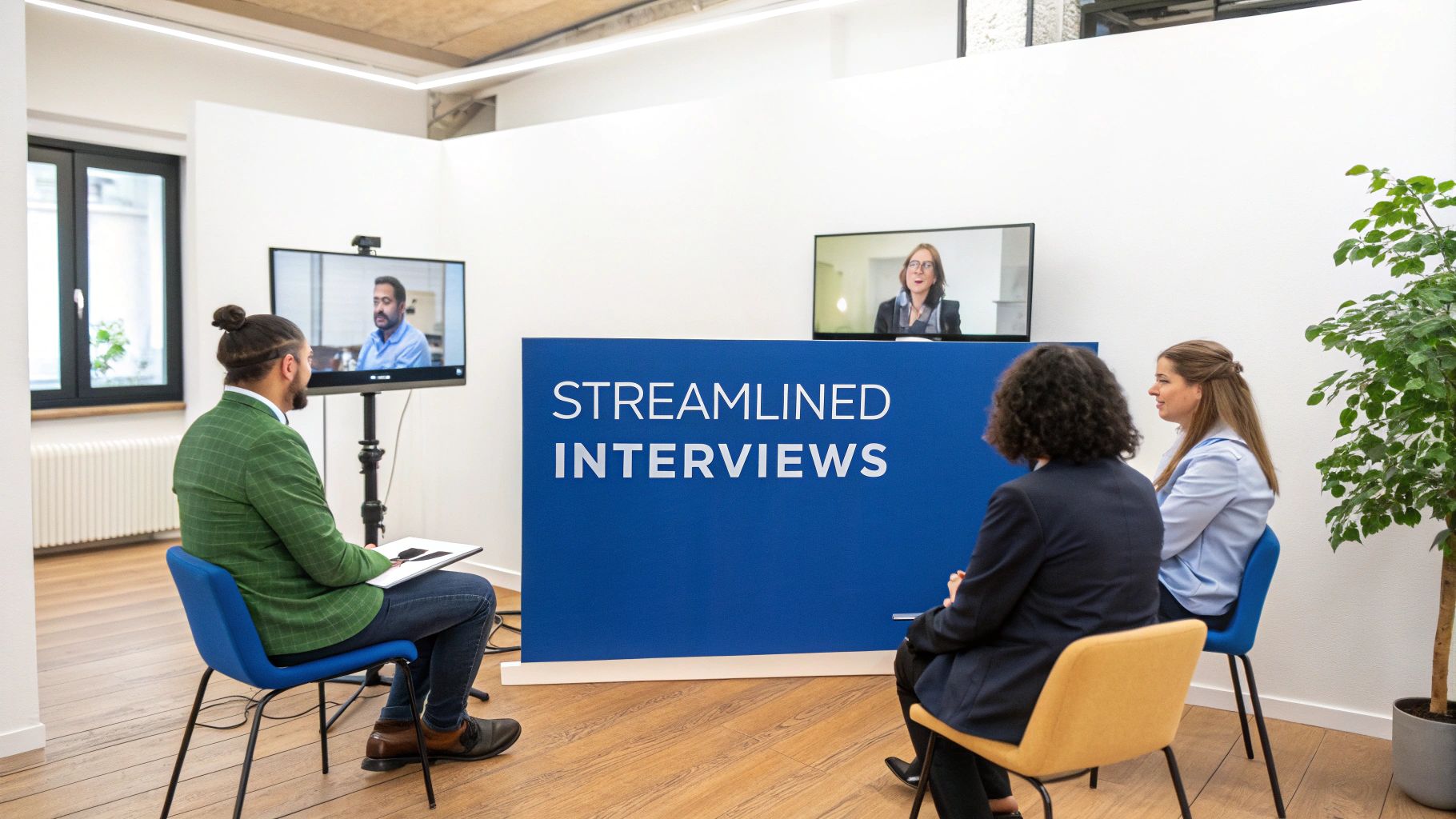
It wasn’t that long ago when a competitive salary was the trump card for securing top talent. But today, that simple equation is a relic of the past. For companies that haven’t kept up, this shift has become one of their biggest talent acquisition headaches.
Modern candidates, particularly from the Millennial and Gen Z pools, come to the table with a much broader wish list. Their decision-making process digs far deeper than the payslip. They’re sizing up your entire company, looking for a place that aligns with their personal values and long-term career goals. If you don’t meet these new standards, you risk becoming completely invisible to the very people you need to hire.
The New Non-Negotiables for Talent
Today’s professionals are looking for a partnership, not just a job. The conversation has moved on, now centring on things like company culture, a sense of purpose, and genuine flexibility. Companies still stuck in the old ways are seen as outdated and, frankly, unappealing.
Here’s what top candidates now see as standard:
- Genuine Work-Life Flexibility: This has crossed the line from a “nice-to-have” perk to a fundamental requirement. Candidates expect real options, like remote or hybrid models, that let them blend their professional and personal lives without feeling burnt out.
- A Commitment to Diversity and Inclusion (D&I): It’s not enough to just talk about D&I. Top performers want to see authentic, visible proof that you’re building a diverse team and fostering a culture where everyone truly belongs.
- Opportunities for Meaningful Work: People want to see the impact of their efforts. They’re looking for roles where they can draw a straight line from their day-to-day tasks to the company’s bigger mission.
The candidate journey is your first, and often most critical, opportunity to demonstrate your company’s values. A slow, impersonal, or clunky hiring process sends a clear message that you don’t value their time, instantly undermining your employer brand.
Auditing Your Candidate Journey
A negative hiring experience can torpedo all the hard work you’ve put into building your brand. It’s absolutely crucial to make sure every single touchpoint is designed to impress, not to put people off. A disorganised process is a massive red flag, signalling deeper issues within the company that will send skilled applicants running.
Think of your hiring process as the “product” you’re selling to candidates. Is it easy to use? Is it respectful of their time? Use this practical checklist to give your candidate journey an honest audit and find the spots that need immediate attention:
- Application Simplicity: Can someone apply easily from their phone? Is your form short and to the point? Long, clunky application forms are a major reason why good candidates drop off.
- Communication Clarity: Do you acknowledge every application promptly? Do you give people a clear timeline for what happens next? Silence creates anxiety and kills interest.
- Interview Experience: Are your interviewers properly trained and prepared? Are they focused on having a real two-way conversation, or is it just an interrogation?
- Feedback Loop: This one’s huge. Do you provide constructive feedback to everyone you interview, even the people you don’t hire? A little courtesy goes a long way.
Unlocking Your Hiring Potential with Tech and Branding
Let’s be honest, overcoming today’s talent acquisition challenges feels like a constant battle. The good news? You can gain a serious edge by focusing on two things: smart technology and a strong employer brand. Think of these as the two pillars of a modern recruitment engine. When they work together, hiring shifts from a reactive chore to a genuine strategic advantage.
On one side, you have technology. AI-powered tools aren’t some far-off concept anymore; they’re practical, here-and-now solutions that can completely reshape your process. Imagine automating the soul-crushing tasks of sourcing and initial screening. This frees up your team to do what humans excel at—building real relationships with great candidates.
Embracing AI in Recruitment
The right tech doesn’t just make hiring faster; it makes it smarter. While many companies are still just dipping their toes in the water, AI adoption is picking up speed. A recent poll of 91 talent acquisition leaders revealed that 39% are in the early stages of implementing it, and another 44% are actively exploring their options.
The message is clear: the industry is moving from buzz to real-world application. By putting AI to work, you can:
- Automate Sourcing: Instantly scan huge talent pools to pinpoint candidates who actually match what you’re looking for.
- Screen Candidates Fairly: Cut down on unconscious bias by using algorithms that focus purely on skills and qualifications, not gut feelings.
- Slash Time-to-Hire: Speed up everything from scheduling to communication, keeping your best candidates engaged and moving forward.
AI is quickly becoming a go-to tool for navigating staff shortages. To plug these gaps, smart recruiters are tapping into new talent pools and doubling down on their employer brand, but AI-driven recruitment is also becoming a key piece of the puzzle. It automates sourcing and screening, which helps reduce bias and speeds up the entire hiring cycle. You can discover more insights about hiring trends in India to see how these strategies are being put into practice.
Building an Authentic Employer Brand
Of course, technology is only half the story. The other critical pillar is your employer brand. This is the story you tell—or the story that’s told about you—regarding your company culture, your values, and what it’s genuinely like to be part of the team. It’s what creates a magnetic pull for the right people before they even see a job ad.
Your employer brand is your reputation as a place to work. In a crowded market, it’s the single most powerful differentiator you have, transforming you from just another company into a destination for top talent.
Building this brand means being authentic. Use social media and employee testimonials to share real, human stories that connect with people. Talk about your commitment to growth, work-life balance, and creating a supportive environment where people can thrive. This approach doesn’t just fill your pipeline with qualified candidates; it fills it with people who are culturally aligned and genuinely excited to join you. For larger organisations, integrating these strategies with robust screening is vital. You can learn more about enterprise-level verification solutions to complete your hiring framework and ensure you’re bringing the right people on board.
Building a Future-Proof Talent Pipeline

The most successful companies have figured out a simple but powerful truth about hiring: don’t wait until you have an open role. The best way to get ahead of today’s talent acquisition challenges is to stop being reactive and start being proactive. This means building relationships with great people for tomorrow, not just scrambling to hire for today.
Think of it like tending to a garden. You wouldn’t just scatter seeds when you’re hungry, right? You cultivate the soil, water the plants, and look after them long before you plan to harvest. A talent pipeline works exactly the same way. It’s an ‘always-on’ approach to recruitment that creates a healthy ecosystem of potential hires.
Cultivating a Community of Talent
The core of this strategy is to build a community around your brand, engaging potential candidates even when you don’t have a specific job for them. When you consistently share valuable content and establish your company as an industry leader, you naturally become an employer of choice.
Then, when a role finally opens up, you aren’t starting from scratch. You’ll have a warm pool of interested, pre-vetted candidates who already know and respect your organisation.
An engaged talent pipeline makes your organisation resilient. It acts as a buffer against sudden market shifts and ensures you always have a roster of high-quality candidates ready to go, significantly reducing your time-to-hire.
To put this into practice, focus on a few key activities:
- Engage Passive Candidates: These are skilled professionals who aren’t actively job hunting but would be open to the right opportunity. Connect with them on professional networks and share insights, not just job ads.
- Consistent Networking: Make networking a continuous function of your HR team, not just something you do at career fairs. The goal is to build genuine connections within your industry.
- Share Valuable Content: Position your company as a thought leader. Share blog posts, case studies, and industry news that showcase both your expertise and your unique culture.
This proactive approach completely changes the hiring dynamic. Of course, getting people into this pipeline is only half the battle. To ensure they stay and thrive, you need solid post-hire processes. Explore how to give new hires a strong start in our guide on Onboarding Best Practices to Improve Employee Success.
Frequently Asked Questions
Hiring in India is a complex dance, and it’s natural to have questions. Here are some straightforward answers to the queries we often hear from HR professionals and hiring managers trying to navigate the talent maze.
How Can Small Businesses Compete with Large MNCs for Talent?
It’s a classic David vs. Goliath scenario, but small businesses have a secret weapon: a unique Employer Value Proposition (EVP). Forget trying to match MNC salaries rupee for rupee. That’s a losing battle.
Instead, focus on what makes you different. Maybe it’s a more agile culture where new ideas don’t get lost in bureaucracy. Perhaps it’s the chance for employees to see their direct impact on the business or get closer mentorship from senior leaders. Things like genuine work flexibility and a strong sense of community are powerful differentiators that huge corporations often can’t replicate.
A compelling brand story, combined with an excellent candidate experience, often matters more than salary alone. It allows smaller companies to attract top performers who are looking for more than just a paycheque.
What Is the Most Critical First Step to Improving Our Talent Acquisition Process?
Before you do anything else, you need to conduct a thorough audit of your current candidate experience. It’s the single most critical first step.
Literally, map out every single touchpoint a candidate has with your company. Start from the moment they see your job ad, follow them through the application, the interviews, and all the way to the final offer (or rejection).
This exercise will shine a light on bottlenecks, communication black holes, and other pain points. A positive candidate experience is fundamental; even someone you don’t hire should walk away with a good impression of your brand. This simple audit can reveal quick wins and lay the groundwork for bigger, more strategic changes down the line.
Ready to build a trustworthy team and make hiring decisions with confidence? SpringVerify provides fast, reliable, and seamless background verification services tailored for Indian businesses. Learn more and get started today!


