

Table of Contents
Why Candidate Experience Became Your Secret Weapon
The hiring landscape has completely flipped. Remember when applicants would patiently wait by the phone for weeks, hoping for an update? Those days are gone. Today’s job seekers, especially in India, have a ton of options, and they know it. I’ve talked to so many hiring managers who’ve seen this shift, and the message is clear: candidate experience directly impacts your bottom line. Companies that prioritize a positive candidate experience aren’t just filling roles faster, they’re building robust talent pipelines that leave competitors scrambling.
This isn’t about being “nice,” it’s about smart business. A bad candidate experience doesn’t just cost you one hire; it damages your entire employer brand. Think about it: a negative experience spreads like wildfire through word-of-mouth, online reviews, and social media. Suddenly, your company is that company—the one with the terrible application process or the recruiters who disappear into thin air. Who wants to work there?
The Indian job market is booming, with projected growth of 15-20% in opportunities by 2025, especially in IT and tech. This means a potential surge in hiring activity. If it’s not handled strategically, this surge could lead to a lot of frustrated candidates. Also, employers are increasingly focused on diversity, equity, and inclusion (DEI) in their recruitment strategies, which makes a smooth and inclusive candidate experience even more critical. Want to know more about the changing Indian recruitment landscape? Discover more insights
The Ripple Effect of a Bad Hire
Let’s talk about the real cost of a bad hire. It’s way more than just wasted time and resources. It impacts team morale, productivity, and even client relationships. And guess what often leads to bad hires? A rushed, impersonal hiring process that prioritizes speed over experience. Ironically, trying to fill roles quickly by ignoring candidate experience can actually slow down your overall hiring in the long run.
The Power of a Positive Candidate Experience
Now, look at companies that invest in improving candidate experience. They attract better talent, reduce time-to-hire, and boost their employer brand. It creates a positive feedback loop. Happy candidates tell their friends, leave great reviews, and are more likely to accept your offer. This saves you money on recruiting costs and helps you build a stronger, more effective team. Interested in learning more about talent acquisition? Check out our guide on talent acquisition.
Let’s get real: A great candidate experience isn’t just a “nice-to-have,” it’s a strategic advantage in today’s competitive market. By creating a positive and respectful experience for every applicant, you’re not just filling open roles; you’re building a talent magnet. You’ll attract the best and brightest, setting your company up for long-term success. This isn’t about lowering your standards; it’s about raising the bar for how you treat potential colleagues.
The table below illustrates the impact of candidate experience on key business metrics.
To better understand the impact, let’s look at a comparison of key recruitment metrics between companies prioritizing candidate experience versus those that don’t.
| Metric | Excellent Experience | Poor Experience | Impact |
|---|---|---|---|
| Time-to-Hire | Reduced (e.g., 2 weeks) | Increased (e.g., 6 weeks) | Faster hiring cycles |
| Cost-per-Hire | Lower (e.g., $1,000) | Higher (e.g., $3,000) | Cost savings |
| Candidate Quality | Higher (attracts top talent) | Lower (limited pool) | Better talent pool |
| Offer Acceptance Rate | Higher (e.g., 80%) | Lower (e.g., 50%) | Improved conversion |
| Employee Retention | Increased | Decreased | Higher retention rates |
As you can see, companies that invest in candidate experience see significant improvements across various metrics, leading to a more efficient and effective hiring process. They attract better talent, reduce hiring costs, and improve employee retention. This reinforces the importance of prioritizing candidate experience as a key strategic initiative.
Crafting First Impressions That Actually Hook Talent
Your job posting is like a first date with potential hires. And most companies? They’re showing up with a laundry list of demands instead of genuine conversation. They talk about what they need, not what the candidate wants. Trust me, I’ve seen this play out countless times, and a simple shift in perspective can completely change the game. A recruiter friend at a tech startup recently told me they saw a 40% jump in qualified applicants just by rewriting their job descriptions to focus on the candidate. Talk about a glow-up!
Ditch the Corporate Jargon, Embrace Authenticity
Instead of droning on about requirements and qualifications, try selling the opportunity. Think about it: What makes this role exciting? What cool problems will the candidate get to solve? What’s the potential for growth? One company I consulted with added employee testimonials and videos showcasing their team culture to their job postings. Suddenly, they were attracting candidates who were genuinely pumped about the work itself, not just the paycheck.
Application Processes That Don’t Make People Scream
The application process itself is a huge part of the candidate experience. No one enjoys filling out endless forms and jumping through hoops. We’ve all been there, right? Scrolling through a never-ending application and just thinking, “Nope.” I know I have! Make the process quick, easy, and dare I say, enjoyable. Mobile-friendly applications and integrations with platforms like LinkedIn can seriously minimize manual data entry.
Keeping candidates in the loop is also important. Even a simple automated email acknowledging their application can make a big difference. This is especially important in a market like India, where Gen Z is expected to be 27% of the workforce by 2025. This generation thrives on tech and personalization, so think about using AI and data analytics to make your hiring process more efficient and engaging. Here are some more insights on that.
Realistic Job Previews: No Sugarcoating Allowed
Be upfront and honest about the role. Don’t try to make it sound easier or more glamorous than it is. Transparency is key! Being clear about the challenges and expectations helps weed out candidates who aren’t a good fit and sets the stage for a strong working relationship with those who are. I once interviewed for a marketing role that sounded amazing online. But during the interview process, I realized the day-to-day was totally different. I withdrew, and it was a waste of everyone’s time. Don’t let that happen to you.
Setting the right tone from the start is everything. The candidate experience begins long before the first interview. By focusing on clear communication, authentic job descriptions, and a smooth application process, you can attract top talent from the get-go. This creates a positive hiring journey and builds your reputation as an employer people want to work for.
Interviews That Feel Like Actual Conversations
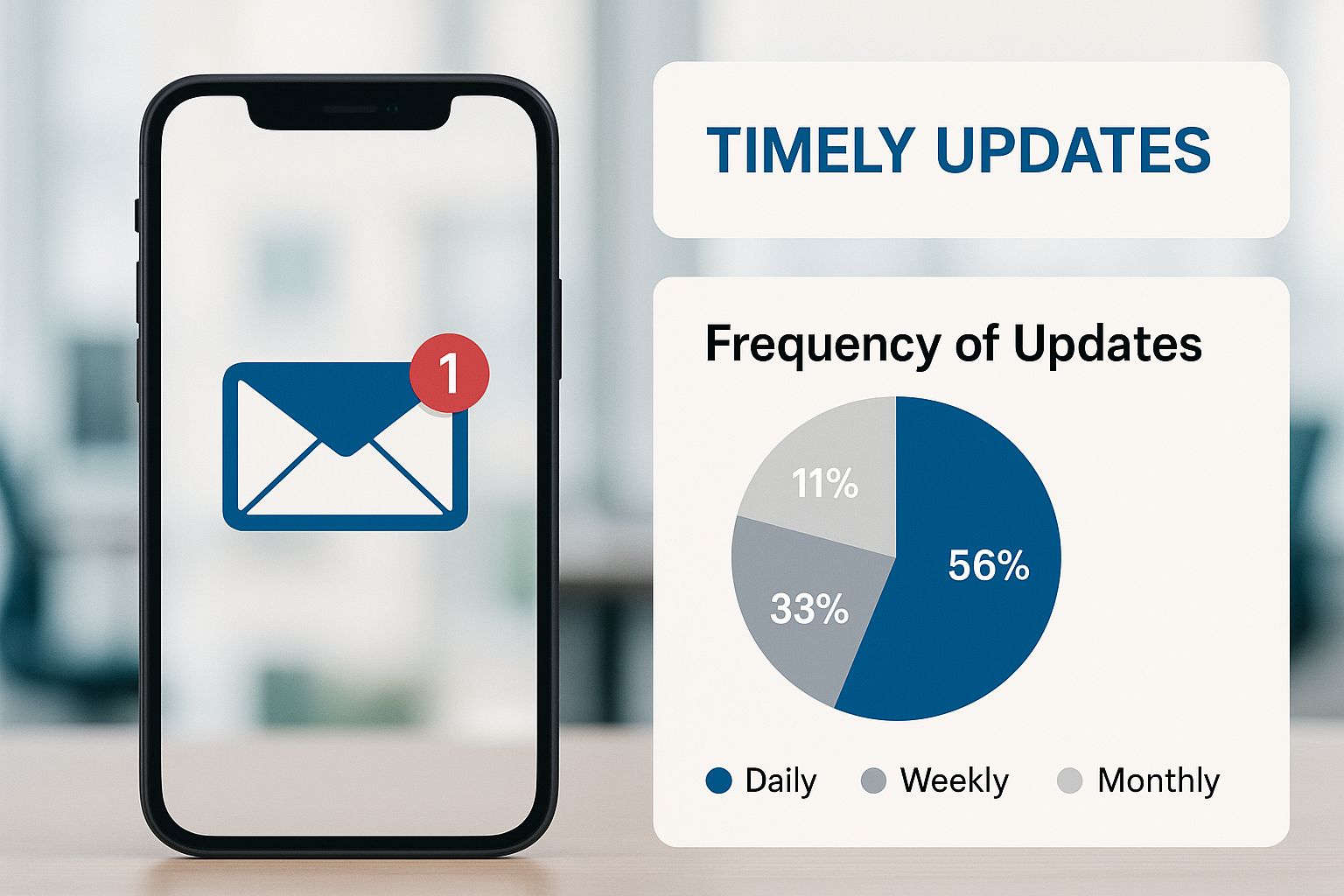
The infographic shows a smartphone with an email notification. It’s a visual reminder of how important timely communication is. Keeping candidates in the loop makes a huge difference. Quick, regular updates, even automated ones, show respect and keep them engaged.
This is the make-or-break point in the candidate experience. The difference between a great interview and one that sends candidates running? Treating people like people. I’ve been on both sides of the interview table, and the best experiences always felt like a genuine conversation, not an interrogation.
Two-Way Streets, Not One-Way Interrogations
The best hiring teams understand interviews should benefit everyone. It’s not just about grilling the candidate. It’s also about giving them a real sense of the company and the role. I remember one interview where the interviewer spent time discussing the company’s challenges and upcoming projects. That gave me such valuable insight into the day-to-day work. It felt authentic. That kind of transparency builds trust and helps candidates decide if the role is truly right for them.
Phone Screens That Actually Screen
Even phone screens can be a positive experience. Instead of a rapid-fire Q&A, use the initial call to understand the candidate’s motivations, experience, and what they’re looking for. Don’t rush it. A few thoughtful questions can reveal more than a long list of generic ones. You can find helpful resources on structuring interviews and managing human resources here.
Panel Interviews That Energize, Not Overwhelm
Panel interviews can be nerve-wracking. To make it less stressful, have panelists introduce themselves and their roles. Clearly explain the interview structure and what to expect. This simple step can ease anxiety and help candidates perform their best. In India, candidate experience is tied to hiring trends. For example, by 2025, candidates with 1 to 5 years of experience will be in high demand, making up 47% of new hires. This emphasis on experienced hires highlights the need for a structured interview process. Interestingly, the demand for freshers is much lower, at about 14%. Find more insights on Indian hiring trends.
Let’s look at a comparison of traditional interview methods with a more candidate-centric approach:
The following table illustrates key differences between a traditional interview and a more candidate-focused approach:
| Interview Stage | Traditional Approach | Candidate-Centric Approach | Candidate Impact |
|---|---|---|---|
| Initial Contact | Formal, impersonal email | Personalized message, clear next steps | Feels valued, informed |
| Phone Screen | Rapid-fire Q&A, focus on skills | Conversational, explore motivations and fit | Less stressful, more engaging |
| Panel Interview | Intimidating, unclear roles | Introductions, clear structure explained | Reduced anxiety, better performance |
| Feedback | Delayed or nonexistent | Real-time feedback, prompt follow-up | Positive impression, valuable learning |
As you can see, shifting to a candidate-centric approach can significantly improve the candidate’s overall experience.
Real-Time Feedback and Follow-Up
One of the biggest candidate frustrations? Radio silence after an interview. I’ve been there, and it’s awful. Giving real-time feedback during the interview itself is incredibly helpful. It lets candidates clarify anything and provide more context. Prompt follow-up, even a quick thank-you email, shows respect and makes a positive impression.
Treating Candidates Like Potential Colleagues
Remember, candidates could be your future colleagues. Treating them with respect and genuine interest throughout the hiring process builds a foundation for a strong working relationship, regardless of the outcome. This isn’t about lowering your standards; it’s about raising your hiring approach to attract the best. Create a positive, collaborative experience, and you’ll build a talent magnet that sets your company up for success.
Communication That Keeps People in the Loop
Radio silence is a candidate experience killer. I’ve been there – nothing feels worse than sending your application into a black hole. Yet, so many companies seem to forget all about communication. Let’s fix that. Here’s how to tackle those communication breakdowns and make your hiring process more human, without adding a ton of extra work.
The Power of Proactive Updates
The best recruiters know that keeping candidates informed is key. And it’s not just about what’s happening, it’s about why. Think about it: when you order something online, those shipping updates are gold, right? Job applications are the same. People crave information.
A friend of mine in HR at a large company swears by automated updates. But not those impersonal, robotic ones. They’ve customized their system with details about the role and what to expect next. It’s all about setting the stage from the start. Even a quick “We got your application and we’re looking at it now” can make a big difference.
Rejection Emails That Don’t Sting
Let’s be real, nobody likes rejecting people. It’s the tough part of the job. But a thoughtful rejection email can actually leave a good impression. I’ve gotten rejection emails so helpful and well-written that I genuinely appreciated the feedback.
Ditch the generic “We regret to inform you…” and try something more personal. Thank the candidate for their time and effort. If you can, share why they weren’t chosen. Maybe their skills are better suited for a different role, or maybe the competition was fierce. Honesty and transparency are everything.
Managing Expectations to Prevent Frustration
Want a simple way to improve candidate experience? Manage expectations clearly. Tell candidates the timeline for each step. If there’s a delay, let them know. Over-communication is better than leaving people guessing. Think of it like a project update. You’d keep your team informed of any changes, right? Same principle applies here.
Building Relationships, Even After Rejection
Smart recruiters see rejection as a detour, not a dead end. They stay in touch with candidates who weren’t the right fit this time. These folks can be great referral sources or potential hires down the road. I’ve seen this happen time and again. A candidate who wasn’t a match for one role ended up being ideal for another a few months later. Keeping those lines of communication open keeps your talent pool warm.
A colleague of mine tags promising candidates in their Applicant Tracking System (ATS) with keywords related to their skills. This makes it easy to find them when new opportunities pop up. It’s like having your own personal talent database.
Effective communication is the heart of a positive candidate experience. By being proactive, transparent, and respectful, you can turn your hiring process from a source of stress into a magnet for great talent. It’s about treating people like people – with courtesy, honesty, and respect. This not only improves the candidate’s experience but boosts your employer brand and makes you stand out from the competition.
Using Technology Without Losing the Human Touch

This screenshot shows a clean, organized Applicant Tracking System (ATS) interface. Think of it as mission control for your hiring process. A good ATS helps keep everything in one place, making life easier for both recruiters and candidates. It’s all about finding the right tools to make the experience smoother for everyone.
I’ve seen firsthand how technology can either make or break the candidate experience. It shouldn’t be about automating everything into oblivion. It’s about using tech strategically to create a more human, engaging experience.
Automating the Right Things, the Right Way
Technology should be your assistant, not your replacement. Think of an ATS like Workable as your trusty sidekick. It handles the tedious tasks like scheduling, emails, and tracking applicants, freeing you up to connect with people. A friend in HR recently told me their ATS cut their time-to-hire in half. That extra time meant more meaningful conversations with potential hires, not more time wrestling with spreadsheets.
Chatbots That Actually Help (Not Annoy)
Chatbots. They can be a lifesaver or a major source of frustration. The key? Design them to be helpful, not annoying. A well-designed chatbot can answer FAQs, guide candidates through the application, and even schedule interviews. This gives your team breathing room and provides candidates with instant support. Don’t forget the importance of clear communication throughout. Ensuring your emails actually reach candidates is vital, so consider implementing a solid email verification process.
Video Interviews That Feel Natural (Not Awkward)
Video interviews are the new normal. But let’s be honest, they can feel a bit awkward. Help candidates feel more comfortable by sending them tips beforehand. Encourage them to test their tech and find a quiet spot. And during the interview? Be patient with tech glitches. Remember, it’s not always easy to project confidence through a screen. A little empathy goes a long way.
Background Checks That Speed Things Up (Not Slow Them Down)
Background checks are a necessary part of the process, but they shouldn’t add unnecessary delays. Integrating background check services with your ATS can significantly speed things up. This eliminates paperwork and keeps candidates informed. Transparency is key here. Let candidates know what to expect and when. A good background check process should be seamless and efficient.
Measuring Your Tech’s Impact on Candidate Satisfaction
How do you know if your tech is actually improving the candidate experience? Simple: ask! Candidate surveys are invaluable. Track your time-to-hire and offer acceptance rates. Look for trends in the feedback. Are candidates struggling with your chatbot? Confused by the application process? The data will reveal what’s working and what needs adjusting.
Choosing the right tech is crucial for a positive candidate experience. It’s not about adopting every new tool on the market. It’s about finding the ones that truly benefit both your team and your candidates. By prioritizing the human element, even with automation, you’ll create a positive experience that attracts top talent and builds your brand.
Turning Rejections Into Future Opportunities
So many companies treat candidate rejection like the end of the story. Door slams shut, case closed. But savvy recruiters know it’s actually the beginning. The way you manage rejections can become a powerful tool for growing an amazing talent pool. Think about it: every person you don’t hire is a potential future employee, someone who might refer a great candidate, or even a champion for your brand.
The Art of Delivering Bad News (Well)
Let’s be honest, nobody enjoys rejecting someone. But it’s a key part of creating a positive candidate experience. I’ve been on the receiving end of plenty of rejections, and I can tell you a well-crafted rejection can actually feel better than a poorly handled one. The secret? Respect and clear communication.
I remember one time a recruiter actually explained why I wasn’t the right fit. They even gave me some pointers on areas to develop. It wasn’t fun to hear, but it was genuinely helpful. I left feeling respected, not dismissed. That’s the impact of constructive feedback.
Templates for Different Rejection Scenarios
Having some ready-to-go templates can smooth the rejection process for everyone. Here are a few ideas to get you started:
- Early Stage Rejection: “Thanks for your application. Your qualifications are impressive, however we’ve decided to proceed with candidates whose experience more directly aligns with the specific requirements of this role.”
- Post-Interview Rejection: “Thanks for taking the time to interview with us. We were really impressed with your [mention a specific skill or quality], however we’ve offered the position to another candidate whose experience was a closer match for our current needs. We’ll definitely keep your resume on file for future opportunities.”
- Rejection After a Final Round Interview: “Thanks for your time throughout the interview process. We enjoyed learning about your skills and experience. This was a tough decision, and we had several strong candidates. We’ve ultimately offered the position to someone whose background aligns more closely with the team’s immediate needs. We sincerely appreciate your interest and wish you all the best in your job search.”
Keeping the Door Open for Future Roles
Don’t just reject and vanish. If a candidate has potential, even if it’s not the right fit this time, let them know! I’ve stayed connected with many rejected candidates, and some have become fantastic hires down the road. A simple email like, “We really enjoyed meeting you. While this wasn’t the right role, we’d love to stay in touch for future openings” can make a world of difference.
Turning Disappointed Candidates Into Company Advocates
Here’s the real game-changer: turning a potentially negative experience into a positive one. I know recruiters who actually get thank you notes for their rejections! It might sound unbelievable, but it happens. By treating candidates respectfully and offering real, honest feedback, you can transform them into advocates for your company. They might not be joining your team today, but they’ll remember how you treated them, and that positive impression will spread through their network.
From Rejection to Referral: Building a Thriving Network
Rejected candidates can also be a goldmine for referrals. They know talented people in their field, and if you’ve treated them well, they’re likely to connect you. A simple way to encourage referrals is to just ask! Include a sentence in your rejection email like, “We’re always looking for talented people. If you know anyone who might be a good fit for our team, please let us know.”
Handling rejections effectively isn’t just about being nice. It’s a strategic approach that can pay off big. By turning a potentially negative interaction into a positive one, you build a robust talent pipeline, strengthen your employer brand, and cultivate a network of advocates who’ll speak highly of your company, even if they didn’t get the job.
Your Roadmap to Better Candidate Experience
Let’s get down to brass tacks. This isn’t some theoretical dream—it’s a practical roadmap, built on real-world wins and lessons learned, designed to help you revamp your hiring. We’ll cover actionable checklists for each stage of the candidate journey, realistic timelines, and clear metrics so you can track your progress.
Quick Wins and Long-Term Strategies
You can implement some things today for instant improvement, while others require more planning. Think of it like renovating a house: a fresh coat of paint is a quick win, but rewiring takes time and coordination. Both matter, but prioritization is key. We’ll show you which quick wins will make a splash and which long-term strategies need more investment.
One quick win? Personalizing automated emails. I once received a rejection email that included my name and the specific role. Small detail, big impact. It showed they cared, even with automation.
Overcoming Common Obstacles
Improving candidate experience isn’t always smooth sailing. Expect bumps. Maybe your team resists change, or leadership isn’t on board. We’ll tackle these roadblocks and give you strategies to overcome them. For example, I worked with a hiring manager dead-set against improving his interview process—he saw it as extra work. Showing him the data—how their slow process cost them top talent—changed his mind. Data is your friend.
Getting Leadership Buy-In
Speaking of data, it’s your secret weapon to getting leadership buy-in. Show them the numbers. How does a poor candidate experience affect time-to-hire, cost-per-hire, and quality of hire? Quantify the benefits of a better process. Once leadership sees the bottom-line impact, they’ll be more likely to invest. Staffing agencies, in particular, can benefit hugely from a streamlined candidate experience. You might be interested in: how staffing agencies can improve their hiring process.
Training Your Hiring Team
This is a team effort. Everyone involved—recruiters, hiring managers, interviewers, even receptionists—needs to be aligned. A consistent, positive experience across the board makes all the difference. Invest in training your team on best practices. Role-playing interview scenarios is incredibly helpful, letting people practice crucial communication skills in a safe space.
Creating Sustainable Processes
Forget quick fixes. This is about building sustainable, long-term processes. We’ll show you how to create systems that are efficient, scalable, and prevent team burnout. For example, one client implemented a simple checklist for each hiring stage, ensuring consistency and avoiding mistakes. Candidate experience doesn’t stop at hiring; it continues with retaining talent. For more on this, check out: student retention strategies.
Measuring Success and Making Adjustments
How do you know your efforts are working? Track your metrics. Monitor time-to-hire, offer acceptance rates, and candidate feedback. Don’t be afraid to tweak your approach based on the data. Continuous improvement is the name of the game. This is a marathon, not a sprint. The hiring landscape is always changing, so be ready to adapt and refine your strategies. Remember, every interaction, from application to final decision, shapes the candidate’s perception of your company. Make it count.
Ready to level up your hiring? SpringVerify offers seamless background verification services, from KYC checks to employment history verification, empowering you to make informed hiring decisions with confidence. Learn more about SpringVerify.


