

Table of Contents
Understanding What Police Verification Really Means
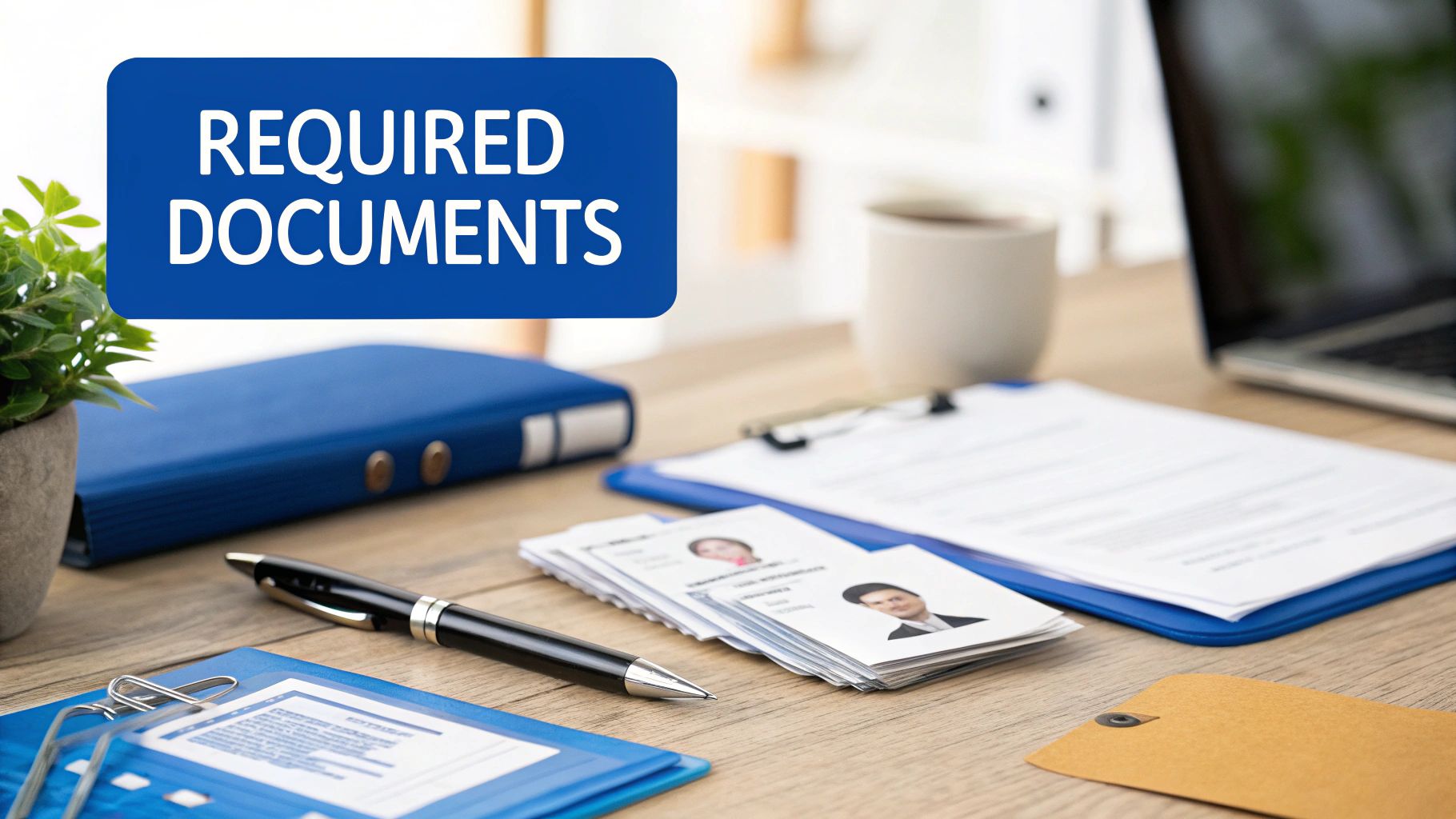
Police verification can seem confusing, leaving applicants unsure of its purpose. It’s not simply an administrative step; it’s vital to India’s security. This section clarifies police verification, explaining its significance and impact on applications.
Why Does Police Verification Exist?
Police verification helps confirm your identity and history. When you apply for a passport, for instance, it verifies you are who you say you are and lack a concerning criminal background. This protects against identity theft and maintains the validity of official documents. Many employers also use police verification, particularly for positions with sensitive data or significant responsibilities, to evaluate a potential employee’s trustworthiness.
What Are the Authorities Looking For?
Authorities primarily verify the information you provide in your application. This involves checking your address, confirming your identity, and searching for inconsistencies. They also investigate any criminal history or ongoing legal proceedings. This is particularly important for passport applications, as it directly relates to national security. This careful review helps maintain public safety and prevents those with questionable pasts from acquiring essential documents.
The Importance of Verification for Public Safety
Police verification plays a crucial role in India by promoting public safety and preventing crime. It helps authorities maintain public order and uphold the integrity of official processes. In recent years, efforts have aimed to improve and expedite the verification process, especially for passports. Learn more about police verification and its role in public safety
Why Some Applications Are Delayed
Several things can delay police verification. Inaccurate or incomplete information is a frequent cause. Outdated address proof or missing documents can significantly slow the procedure. Regional differences in processing times also play a role. Some police stations may handle more applications or use different internal procedures, impacting completion speed. This emphasizes the importance of careful preparation and follow-up.
Types of Police Verification
You might encounter different kinds of police verification depending on the application. Local police verification, the most common type, involves an officer visiting your registered address. Passport verification, specifically for passport applications, follows a more formal process. Pre-employment screening, initiated by employers, might involve a more extensive background investigation. Knowing the type of verification you’re undergoing lets you prepare effectively and anticipate potential issues. Understanding the purpose, process, and possible problems with police verification will help you navigate it smoothly and ensure your application progresses without a hitch.
Getting Your Documents Battle-Ready

Documentation issues are a leading cause of police verification application rejections. This section will help you avoid that fate. We’ll explore the crucial paperwork verification officers require, with clear examples of what they expect.
Understanding the Importance of Each Document
Certain documents hold more weight during police verification. Your identity proof, such as your Aadhaar card or passport, confirms your identity. Your address proof, like a recent utility bill, validates your current residence. These documents are essential for a smooth verification.
Format Requirements That Can Trip You Up
Incorrect document formats are a common stumbling block. Ensure your documents are legible, valid, and correctly formatted. Blurry photocopies or expired documents are red flags that can cause delays or rejection. Double-checking these details is crucial.
Backup Strategies When Documents Aren’t Clear
Sometimes, your primary documents might be less than perfect. Perhaps the address on your Aadhaar card needs updating. This is where backup documents are vital. Supplemental proof, such as a bank statement or an employer’s letter, can support your information and strengthen your application. This demonstrates preparedness. You might also find this resource helpful: How to master employment verification.
Organizing Your Documents for Maximum Impact
A well-organized document file streamlines the verification process. Create a checklist and arrange your documents neatly in a folder. This helps the verification officer and demonstrates your commitment to the application.
Anticipating Questions and Preparing Contingency Documents
Thinking ahead can save you time and trouble. If your current and permanent addresses differ, have an explanation ready. Anticipating potential questions shows foresight and proactive engagement. Required documents often include a completed application, valid identity proof, Aadhaar card, address proof, utility bill, and passport photos. A police officer may visit your residence for background checks. Learn more.
Specific Guidance on Address Proof, Identity, and Photographs
Address proof is frequently the most complex aspect. Ensure your documents clearly show your current address and are up-to-date. Your identity proof should match your application precisely. Passport photos must meet official requirements.
The Importance of Accurate and Complete Documentation
Accurate and complete documentation is the cornerstone of successful police verification. It ensures a smoother, faster process and reduces the chance of rejection. Attention to detail significantly increases your chances of a positive outcome, demonstrating your credibility.
Navigating Online Vs Offline Application Routes
Choosing the right application method for police verification can significantly impact your timeline. This section offers guidance on selecting the most suitable path based on individual needs. We’ll compare online and offline submissions, assessing their effectiveness in various scenarios.
Online Application: Passport Seva and State Police Portals
The online route utilizes digital platforms. As of 2024, applications can be submitted through the Passport Seva website or the state police’s online portal. This method aims for a thorough and efficient verification process. Further insights on online police verification are available here. The Passport Seva portal, designed for passport applications, is generally user-friendly and offers convenient tracking. Some states provide online verification through their own websites, though functionality and reliability may differ. Understanding these differences is key to selecting the best approach.
Offline Application: The In-Person Advantage
While online applications offer convenience, the traditional offline, in-person method can sometimes be surprisingly quick. This involves physically submitting your application and documents at a designated police station. While seemingly less efficient at first glance, direct interaction can facilitate immediate issue resolution and potentially expedite the process. This can be particularly helpful in areas with unreliable internet or less developed online systems.
Comparing Online and Offline Methods
The infographic below illustrates the key differences between Online and In-Person police verification methods, focusing on the steps involved, average processing time, and required visits.
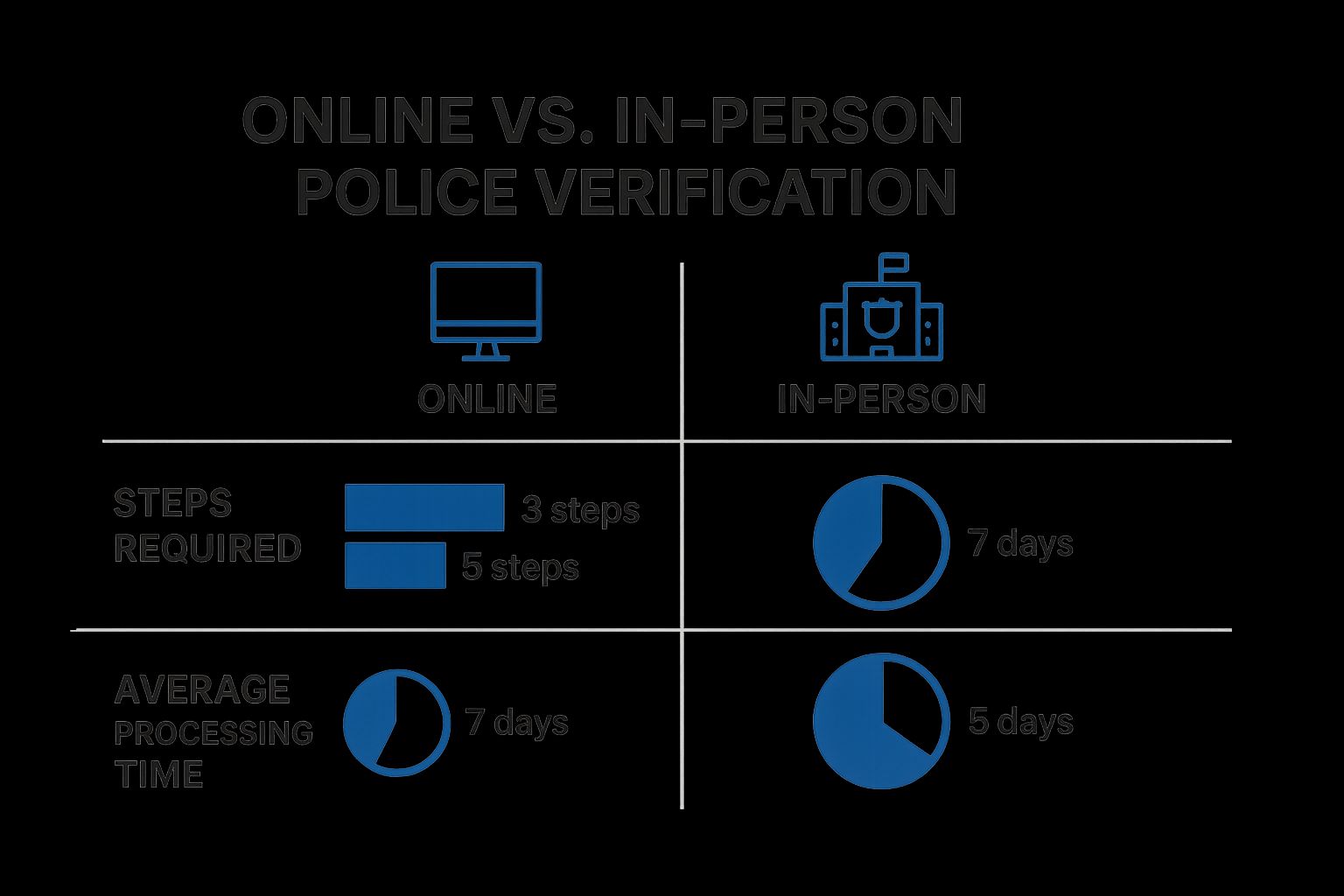
The online process involves fewer steps, but the in-person method, despite requiring a visit, might offer a faster average processing time. This highlights the advantages of direct interaction and the efficiency of some local police stations.
To further illustrate these differences, let’s examine a comparison table:
Online Vs Offline Police Verification Methods: Real-world comparison of application routes including timeline expectations, convenience factors, and success rates
| Application Method | Typical Timeline | Convenience Level | Required Visits | Progress Tracking |
|---|---|---|---|---|
| Online (Passport Seva/State Portal) | Varies (can be delayed by technical issues) | High (apply from anywhere) | 0 | Online tracking available |
| Offline (In-Person) | Potentially faster in some cases | Lower (requires travel to police station) | 1 or more | Requires direct follow-up |
This table summarizes the core differences between the two approaches. Online offers greater convenience, while offline may provide faster processing in certain situations.
Tracking Progress and Handling Glitches
Tracking your application is essential, regardless of the chosen method. Online platforms usually offer a tracking mechanism. For offline applications, direct follow-up with the police station is necessary. This proactive approach allows for prompt address of potential delays. Be prepared for potential technical issues with online systems. Having alternative contact information or a backup plan can prevent disruptions to your application.
Switching Methods If Needed
Your initial choice might not always be the most effective. If significant delays occur with the online route, consider switching to the offline method. For instance, if a state police website is unresponsive or processing times are excessive, a personal visit to the station could be more efficient. This adaptability allows you to optimize your timeline. Choosing between online and offline methods requires careful evaluation of individual circumstances and local procedures.
Mastering The Home Verification Visit
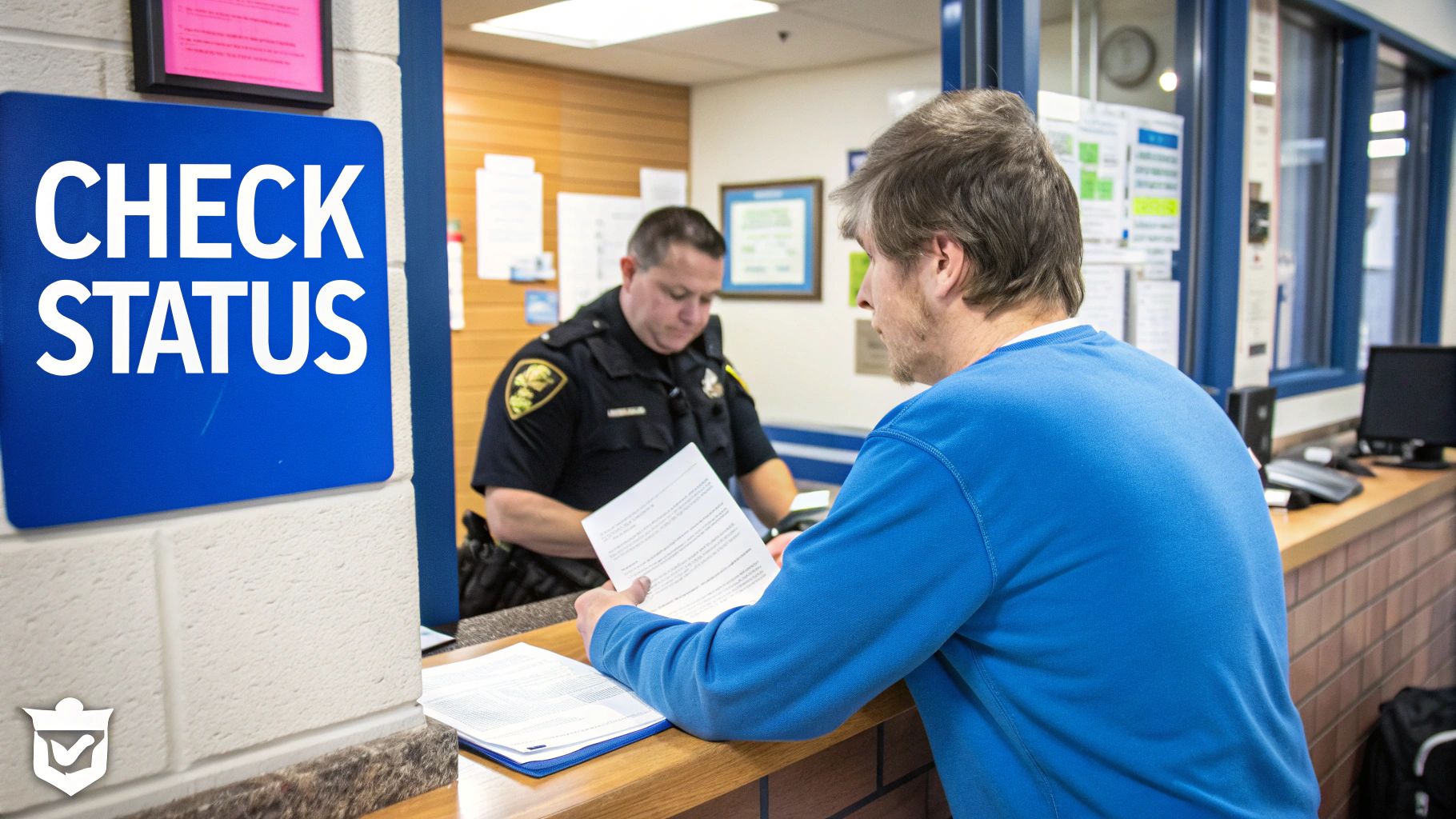
The home visit is a key component of the police verification process. A smooth home visit significantly increases the likelihood of a successful application. This section breaks down the process, offering practical tips and insights from both applicants and officers.
Understanding the Officer’s Perspective
Verification officers are trained to evaluate several key areas during a home visit. Their primary focus is confirming the consistency between the information you provided on your application and your actual living situation. This might include verifying your address and looking for any discrepancies.
Officers also observe your behavior and interactions with family members. They are trained to identify signs of nervousness or inconsistencies that could be cause for concern. Knowing their perspective helps you prepare appropriately.
Preparing Your Living Space
A clean and organized living space creates a positive first impression. While it doesn’t need to be immaculate, basic tidiness shows respect for the process and the officer’s time. A tidy space also makes it easier to locate documents quickly. However, avoid overdoing it. A space that appears too perfect might seem artificial.
Briefing Your Family Members
If you share your home, inform your family about the visit. Explain the importance of cooperation and politeness. This preparation can prevent misunderstandings and awkward situations. Briefly explain the type of questions they might encounter, such as confirming your residency at the given address. This ensures a smooth and efficient visit.
Handling the Visit With Confidence
Greet the officer respectfully and offer them a seat upon arrival. Answer their questions truthfully and concisely. Avoid providing extra information or appearing overly eager. This can sometimes create unnecessary suspicion. Simply answer what is asked and provide requested documents.
A study of verification procedures found that well-prepared applicants experience significantly fewer delays (67%) and a higher first-time approval rate (89%). You can find the complete study here: Home Verification Success Study.
Common Questions and How to Answer Them
Expect questions about your address history, employment, and the reason for the verification. Answer honestly and ensure consistency with your application information. Having your documents readily available streamlines this process. If unsure about a question, politely ask for clarification. For more tips, check out this article: How to master drug test verification.
Document Presentation During the Visit
Organize your documents for easy access. Present them clearly to the officer when asked, highlighting important details like your current address and identity. This helps the officer complete the verification efficiently. For more tips on managing documents, see Navigating the Online Business Landscape.
What to Do If Things Don’t Go Perfectly
Even with the best planning, unexpected events can occur. If you can’t be present for the visit, reschedule promptly. If there’s a discrepancy in your documents, provide a clear explanation. Open communication and cooperation are key to resolving most issues.
Timing Coordination and Follow-Up
Coordinate the visit’s timing carefully. Be available during the scheduled window and provide a reliable contact number. Afterwards, politely follow up with the authorities to check the verification status. This demonstrates your commitment and helps prevent delays. Following these tips allows you to navigate the home verification with confidence and increases your chances of a successful police verification process.
Working With Regional Differences And Challenges
Police verification in India isn’t uniform. The process can differ significantly from state to state, and even between districts within the same state. What works smoothly in one location might encounter obstacles in another. This section helps you understand these regional variations and navigate the complexities of police verification.
Understanding Regional Variations in Procedures
Each state, and sometimes even individual districts, can have unique nuances in their police verification procedures. Some states have adopted modern digital systems, offering online applications and quick processing. Others rely heavily on manual paper-based systems, which can be slower. These differences aren’t just administrative; they directly impact the efficiency and time it takes to complete your verification. Knowing these variations is key to a smoother experience. For instance, some states may require specific documents not needed elsewhere.
Why Processing Times Vary Dramatically
Processing times for police verification fluctuate significantly across regions. Several factors contribute to these variations. The sheer volume of applications each police station handles plays a significant role. Staffing levels also impact processing time – understaffed stations will naturally be slower. The efficiency of the systems in place, whether digital or manual, also affects the timeline.
Urban vs. Rural: How Location Affects Your Timeline
Urban areas often have more streamlined processes and faster turnaround times than rural locations. This is generally due to better infrastructure, more accessible police stations, and higher staffing levels. However, even within urban areas, processing times can vary between police stations. Rural locations frequently experience longer processing times due to logistical challenges, limited staff, and less developed digital systems.
State-Specific Strategies That Work
Given these regional differences, a universal approach to police verification won’t be effective. It’s vital to research the specific procedures and typical timelines for your state. This proactive approach will help you anticipate potential hurdles and prepare accordingly. For example, in states with slower processing times, applying well in advance is highly recommended.
The distribution of police stations is another factor affecting processing times. Inconsistent systems across states can lead to delays. Over the last five years, some states have experienced a 4% increase in urban police stations and a 7% decrease in rural police stations. You can find more statistics in the National Factsheet IJR 4. This uneven distribution can create bottlenecks and increase waiting times in specific regions.
Workarounds for Common Regional Bottlenecks
Bottlenecks, such as limited staff at police stations, can cause significant delays. A practical workaround is to contact the police station directly. Understanding their current workload and schedule can help you time your application submission effectively. Another common challenge is unclear communication. Proactive communication and follow-up can prevent unnecessary delays.
Managing Expectations and Identifying Local Resources
Understanding the specific challenges in your region helps manage expectations. Instead of relying on general advice, gather information from local sources. Contacting your local police station directly, speaking with people who’ve recently completed the process, or checking online forums for your region can provide valuable insight.
Developing Backup Plans
Even with careful planning, regional challenges can disrupt the process. Having backup plans is essential. If your initial application method encounters delays, consider alternatives. This might mean switching from an online application to an in-person submission or exploring other options.
State-Wise Performance Analysis
To illustrate regional variations, consider the following hypothetical example:
To better understand the varying performance across different regions, let’s look at a hypothetical state-wise performance analysis. This table helps illustrate the differences in efficiency and challenges:
State-Wise Verification Performance Analysis: Processing efficiency and common challenges across major Indian states for police verification
| State/Region | Average Processing Days | Digital System Quality | Success Rate | Primary Challenges |
|---|---|---|---|---|
| Maharashtra | 10-15 | Excellent | 95% | High application volume |
| Uttar Pradesh | 20-25 | Good | 85% | Logistical challenges in rural areas |
| Bihar | 30-40 | Fair | 75% | Limited staffing and resources |
| Kerala | 15-20 | Excellent | 90% | Occasional technical glitches |
| Tamil Nadu | 20-25 | Good | 80% | Variations between districts |
This table, with its hypothetical data, demonstrates the differences in processing times, digital systems, and success rates. Understanding these variations will help you tailor your approach and manage expectations effectively. By understanding regional differences and planning accordingly, you can successfully navigate the intricacies of police verification in India.
Ensuring Transparency And Protecting Your Rights
Understanding your rights during the police verification process is crucial. This knowledge can protect you from undue delays and potential mistreatment. This section explores the mechanisms designed to ensure accountability and offers practical guidance for maintaining transparency throughout the application journey.
Documenting Your Process: A Critical Step
Meticulous documentation is your best defense against potential issues. Keep thorough records of every interaction. This includes application submission dates, reference numbers, and the names of officials you connect with.
This detailed record provides a clear timeline of your application’s progress. For online applications, save screenshots of confirmation messages and track updates. If interacting in person, note the date, time, and key discussion points. This documentation becomes invaluable if you need to escalate concerns or file complaints.
Understanding Reasonable Vs. Excessive Delays
While some delays are inevitable, recognizing when a delay becomes excessive is key. Researching typical processing times for your region helps establish reasonable expectations. Delays significantly exceeding these norms warrant further investigation.
For example, if the average processing time is two weeks and you haven’t heard anything after a month, follow up. This proactive approach helps prevent your application from being overlooked.
When Things Go Wrong: Escalation and Oversight
If you encounter unreasonable delays or suspect mistreatment, you have options. Start by politely escalating the issue within the police department. Contact the relevant authorities, clearly explain the problem, and provide your supporting documentation.
Judicial inquiries into police practices offer one avenue for oversight. However, these inquiries can be inconsistent. For example, Maharashtra stands out as the only state where inquiries were ordered in all cases during a recent period. This highlights the need for stronger oversight mechanisms. Discover more insights about judicial inquiries into police practices
If internal escalation fails, consider contacting higher authorities within the police department or filing a formal complaint. Check out our guide on compliance for additional information.
Protecting Yourself from Potential Abuse
While most officers conduct verifications professionally, awareness of potential abuse of power is important. Maintain a calm and respectful demeanor during interactions, but assert your rights. Documenting every interaction is particularly important, providing a record of events. If you believe you have been mistreated, seek legal counsel.
Understanding your rights and maintaining transparency are essential for a successful police verification process. This empowers you to address issues proactively, protect yourself from potential problems, and ensure your application proceeds fairly and efficiently. You might be interested in: Protecting your data online.
Key Strategies For Success
Navigating the police verification process successfully requires more than just assembling the correct documents. It involves strategic planning, anticipating potential roadblocks, and understanding the system’s intricacies. This section offers practical strategies derived from numerous applications and expert advice. These techniques are designed to speed up processing, avoid common mistakes, and empower you to effectively manage the entire verification process.
Timing Is Everything: Strategic Application Submission
The timing of your application can significantly affect the overall timeline. Submitting during peak periods, such as before major holidays or during election season, can cause delays due to increased workloads at police stations. Applying during off-peak periods can sometimes lead to faster processing.
Also, consider regional variations in processing times. Some states or districts are known for quicker turnaround, while others may experience significant delays. Researching these regional differences and adjusting your application timing can save valuable time.
Communication Is Key: Proactive Follow-Up
While completing your application is essential, proactive follow-up is equally important. Regularly checking your application’s status, either online or through direct contact with the police station, demonstrates your commitment and helps prevent it from being overlooked.
However, balance proactiveness with patience. Excessive inquiries can sometimes create friction and may not expedite the process. Polite and respectful communication with verification officers is always recommended. It’s crucial to understand how your data is handled during the police verification process. Review their Privacy Policy to ensure your rights are protected.
Building Rapport With Verification Officers
Building a positive rapport with verification officers, both during the application process and the home visit, can be beneficial. While professionalism is essential, a polite and cooperative demeanor can make a significant difference.
Answering questions honestly and directly, providing requested documents promptly, and creating a welcoming environment during home visits can contribute positively to the overall impression. This positive interaction can facilitate smooth communication and potentially speed up the process.
Addressing Discrepancies Proactively
Discrepancies between your application information and supporting documents can cause significant delays or even lead to rejection. Addressing any potential discrepancies proactively is crucial.
For example, if your current address differs from the one on your Aadhaar card, provide a clear explanation and supporting documentation. Anticipating potential questions and addressing them upfront demonstrates thoroughness and builds trust.
Adaptability: The Key to Success
The police verification process isn’t always predictable. Delays can occur, systems can malfunction, and unforeseen circumstances can arise. Being adaptable is key to navigating these challenges.
If your initial application method encounters significant delays, consider an alternative approach. If the online system is unresponsive, explore in-person submission. If communication with one officer is challenging, politely request to speak with a supervisor. This flexibility allows you to overcome obstacles and keep your application moving forward.
The Importance of Accuracy and Preparation
Accuracy in all aspects of your application is paramount. Double-checking every detail, ensuring consistency across all documents, and providing clear, legible copies can significantly reduce the risk of delays or rejection. Preparation is your most powerful tool.
By following these key strategies, you can transform the police verification process from a potential obstacle into a manageable step toward achieving your goals. Ready to simplify your background verification process and experience the benefits of a streamlined, secure, and efficient system? Visit SpringVerify today and discover how we can help you make informed hiring decisions with confidence.


