

Table of Contents
Why Response Planning Makes or Breaks Recovery

When facing cyber attacks, having a solid data breach response plan is essential for business survival. This isn’t just about checking boxes – it’s about having a clear strategy to handle incidents effectively when they occur. Let’s explore why proper planning is so vital.
The Cost of Inaction
Poor handling of data breaches can devastate organizations through financial losses, damaged reputation, and legal issues. The numbers tell a clear story: companies with tested incident response plans save an average of $1.49 million in breach costs. Quick containment within 30 days saves over $1 million compared to slower responses. These figures show the real value of being prepared. You can find more details here: Learn more about data breach statistics
The Power of Preparedness
A well-designed response plan helps organizations act quickly and effectively during breaches. It maps out exactly what needs to happen to contain issues, minimize damage, and get systems running again. Good planning leads directly to faster recovery, lower costs, and maintained trust with customers and partners.
Key Components of a Successful Plan
Every strong response plan needs specific elements. It starts with detection and analysis to understand what happened. Then comes containment to stop the spread of damage, followed by eradication to remove the threat. The recovery phase gets systems back online safely. Throughout all of this, clear communication keeps everyone informed and aligned.
The Differentiator Between Resilience and Vulnerability
Just having a plan isn’t enough – it needs regular testing and updates to stay effective. Running simulations and drills helps find weak spots before real incidents occur. The plan should also change based on actual incidents and new security practices. Organizations that put in this ongoing work recover much better from breaches than those that don’t. It’s what separates companies that bounce back from those that struggle to survive after cyber incidents.
Mastering the Speed of Response
When a data breach occurs, every minute counts. Just like fighting a fire, faster response means less damage. Let’s look at how successful organizations minimize security incidents through quick action.
Shrinking the Detection Window
Catching breaches early is crucial. Modern security teams combine experienced staff with smart monitoring systems to spot threats faster. This helps reduce the detection window – the time between when a breach happens and when it’s discovered. The sooner you find it, the quicker you can stop the damage.
The Value of Speed
The numbers tell an important story about breach response times. In 2024, organizations took an average of 194 days to spot a breach and 64 days to contain it. But there’s good news – using threat intelligence can cut 28 days off detection time. Want to learn more about these statistics? Check out the latest breach data from Varonis.
Responding Effectively: A Step-by-Step Approach
After finding a breach, having a clear plan makes all the difference. Here’s how top incident response teams handle it:
- Assessment: Figure out what happened – what data was taken and how did attackers get in?
- Containment: Stop the spread by isolating affected systems, even if it means taking servers offline
- Eradication: Clean up the mess by fixing vulnerabilities, removing malware, and resetting compromised accounts
- Recovery: Get systems back to normal using backups and careful testing
- Post-Incident Review: Study what happened to prevent similar breaches in the future
Measuring Improvement
To get better at breach response, you need to track key numbers. Looking at detection time, containment speed, and recovery duration helps show what’s working. For example, measuring the Mean Time To Resolution (MTTR) reveals how quickly your team can handle incidents from start to finish. This information helps teams spot weak points and make their response plan stronger.
Advancing Security Through AI Implementation
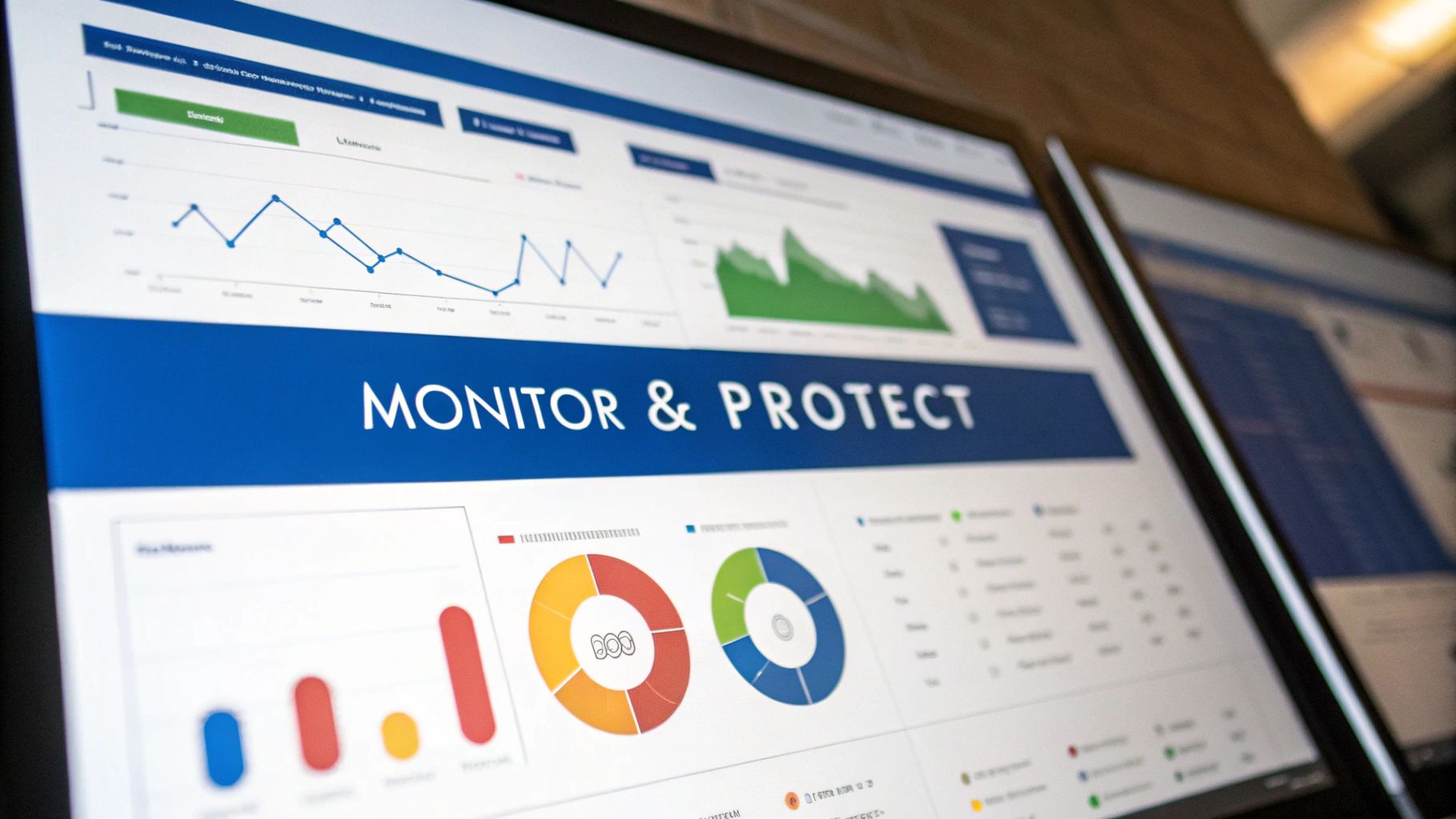
AI is fundamentally changing how organizations handle data breaches. The technology brings speed and precision to threat detection and response – key factors in minimizing damage when security incidents occur. Let’s explore how AI improves security operations and protects sensitive information.
AI-Powered Detection and Response
Modern AI can process massive amounts of security data in real-time, spotting subtle attack patterns that humans might miss. The technology monitors logs, network activity, and system events continuously, flagging suspicious behaviors instantly. When threats are detected, AI can automatically isolate compromised systems and block malicious traffic while security teams investigate.
To understand AI’s impact on security, let’s compare traditional and AI-enhanced approaches:
| Metric | Traditional Approach | AI-Enhanced Approach | Improvement % |
|---|---|---|---|
| Threat Detection Time | 6-8 hours | 10-15 minutes | 95% |
| False Positive Rate | 35% | 5% | 85% |
| Incident Response Time | 3-4 hours | 30-45 minutes | 80% |
| Coverage of Security Events | 65% | 98% | 50% |
Real-World AI Applications
Companies are seeing concrete benefits from AI security tools. AI-powered systems catch 85% more phishing attempts than conventional filters. The technology also helps predict likely attack vectors by analyzing past breaches and emerging threats, enabling proactive security updates. Studies show AI-enhanced security can reduce breach costs by up to 65% through faster detection and containment. Learn more about cyber attack statistics.
You might be interested in: How to master API integrations.
Integrating AI Into Your Security Stack
Adding AI to existing security requires strategic planning. First, identify high-priority areas like threat monitoring or incident response where AI can deliver immediate value. Next, select AI security tools that work smoothly with your current systems. Be sure to properly train security staff on new AI capabilities to maximize effectiveness.
Measuring the ROI of AI in Security
Track key metrics to demonstrate AI’s security value. Focus on improvements in detection speed, response time, and prevented breaches. Measuring reductions in Mean Time to Detect (MTTD) and Mean Time to Respond (MTTR) provides clear evidence of AI’s impact. This data helps justify continued investment in AI security tools.
Building Trust Through Compliance Excellence
Effectively handling a data breach requires more than technical solutions – it demands precise attention to compliance requirements. Following regulations and being transparent about data handling builds stakeholder trust and helps protect your reputation over time.
Key Regulatory Requirements
Data breaches trigger specific legal obligations that must be met. Your data breach response plan needs to clearly outline steps for meeting these requirements. This includes identifying which regulations apply (like GDPR, CCPA, or HIPAA) and establishing procedures for promptly notifying affected individuals and regulators. Being proactive about compliance helps avoid penalties while showing accountability.
Consider a hospital that experiences a breach of patient records. Their plan must detail specific steps to comply with HIPAA breach notification rules and protect patient privacy. This preparation helps maintain patient confidence in the hospital’s commitment to data security. In the US, companies must follow various state and federal laws on breach notification and data protection. A solid response plan ensures compliance and preserves customer trust. Read more in our data breach response guide.
Clear Communication Approach
Being open and direct in communications is vital during a breach. People affected need to know what happened, what data was compromised, and what you’re doing to fix it. Your response plan should include clear communication guidelines to keep messaging consistent.
This means having ready-to-use communication templates for different groups – customers, employees, partners and media. Quick, clear updates help manage public perception and limit reputation damage. Learn more about compliance best practices.
Finding Growth in Crisis
While data breaches create serious challenges, they also provide opportunities to strengthen relationships. Companies can build trust by showing their commitment to transparency, taking responsibility, and actively fixing issues.
This could include offering credit monitoring to affected individuals, upgrading security systems, or getting independent audits of response efforts. These concrete actions show you genuinely care about protecting stakeholders and can help rebuild confidence after a breach.
Preserving Market Standing
A strong breach response plan significantly impacts how markets view your organization during and after incidents. Quick, effective responses minimize negative publicity and help maintain investor confidence. Having clear plans shows preparation and commitment to protecting assets and reputation – key differentiators that can strengthen market position and customer loyalty long-term.
Creating Your Elite Response Team

A strong response to data breaches depends on building a skilled team that works well together. Getting your team aligned with clear roles and open communication makes all the difference when handling security incidents.
Assembling the Right Team
A good response team needs more than just technical skills. Look for people who communicate well, solve problems creatively, and make smart decisions under pressure. Valuable team members often have backgrounds in incident response, security operations, and compliance. For instance, forensics experts can quickly trace breach sources while PR pros manage public messaging.
Defining Roles and Responsibilities
Clear roles prevent confusion during incidents. A typical response team includes:
- Incident Lead: Manages the entire response from start to finish
- Security Analysts: Find vulnerabilities and contain threats
- Legal Team: Handles legal requirements and regulations
- Communications: Keeps everyone informed internally and externally
- IT Support: Gets systems back online and recovers data
Each role focuses on specific tasks while working together smoothly. This teamwork minimizes disruption and keeps responses organized. Learn more about building effective teams in our guide on scaling your business with enterprise solutions.
Training and Preparedness
Regular practice keeps skills sharp and response plans current. Run simulations, do tabletop exercises, and invest in ongoing training. Stay up-to-date on new threats and best practices. Consistent training creates an alert, adaptable team ready for anything.
Effective Communication and Collaboration
Clear communication is essential during breaches. Set up simple ways for team members to share updates and report issues. Keep everyone informed about what’s happening and next steps. Good communication helps teams act quickly and decisively.
Ongoing Improvement
After each incident, review what worked and what didn’t. Update your response plan based on lessons learned. Regular reviews help your team handle new threats better. Small improvements add up to major progress over time.
Structuring Your Response Team for Success
Here’s a detailed look at how roles and responsibilities work together:
| Role | Primary Responsibilities | Required Skills | Response Timeline |
|---|---|---|---|
| Incident Lead | Oversees all aspects of the response | Leadership, Project Management, Security Knowledge | Immediate – Ongoing |
| Security Analyst | Investigates the breach, identifies vulnerabilities | Technical Expertise, Analytical Skills | Immediate – Remediation |
| Legal Counsel | Advises on legal obligations | Legal Expertise, Regulatory Knowledge | As Needed – Ongoing |
| PR/Communications | Manages communications | Communication Skills, Crisis Management | Immediate – Post-Incident |
| IT/System Admin | Restores systems and data | Technical Expertise, System Administration | Containment – Recovery |
A well-structured team with clear roles forms your best defense against data breaches. Taking time to build and improve your response capabilities pays off when incidents occur.
Keeping Your Plan Battle-Ready

Your data breach response plan needs constant upkeep to stay effective. A plan that sits unchanged quickly becomes outdated as new threats emerge. Here’s how to keep your plan ready for action.
The Importance of Regular Testing
Think of testing your response plan like practicing emergency procedures – it helps everyone know exactly what to do when an actual incident occurs. Regular tests reveal gaps before they become problems during a real breach. For example, you might discover communication bottlenecks or key team members who are hard to reach quickly.
Different Testing Methodologies
You can test your response plan in several ways:
- Tabletop Exercises: Get your response team together to work through pretend scenarios. This simple approach helps spot communication issues and process gaps.
- Simulation Exercises: Run more complex tests that include technical components, like staging a mock phishing attack to check defenses and response steps.
- Full-Scale Incident Drills: Create a realistic breach scenario to truly test your plan under pressure. While these take more resources, they provide the most thorough assessment.
Implementing Lessons Learned
Take time after each test to study what happened. Note what worked well and what needs fixing. Write down these findings and use them to make your plan better. Keep this improvement cycle going to maintain an effective plan.
Staying Current with Best Practices
Security threats keep changing, and so do the best ways to handle them. Keep up with industry resources and adjust your plan based on new developments. This includes watching for updated regulations, new security tools, and different types of attacks.
Establishing Review Cycles
Set up regular times to review your response plan – maybe every three, six, or twelve months, based on your needs. These reviews help ensure your plan matches current risks and follows best practices.
Measuring Improvement
Track key numbers to see how well your testing helps. Important metrics include:
- Time to detect a breach
- Time to contain the problem
- Cost of dealing with incidents
Following these measurements shows how your response abilities improve and proves the value of your work.
Ready to build a more secure hiring process? SpringVerify offers thorough background checks for companies of all sizes. Learn how we can help you make smarter hiring choices.


